
Summer miticide trial with Apivar, VarroxSan, or no treatment
By Elizabeth Frost
NSW DPIRD Technical Specialist, Honey Bees

In Australia we have a range of varroa treatment options. To get through the acute phase of varroa, as it’s establishing and levels can be quite high at times, I’ve tried all the legal registered varroa control products, rotating treatments with different modes of action. I’ve also tried mechanical methods like drone comb removal, ventilated bottom boards and brood breaks paired with varroa treatment. I choose which miticide to use based on what I used before, what my varroa levels are, if I’m making honey, and what the environmental temperature is likely to be during the treatment period. Temperatures that are either too high or too low can impact the effectiveness of temperature-sensitive mite control tools like FormicPro and Apiguard.
If my varroa levels are too high (well above 9 mites/alcohol wash of 300 bees), I’ll use a synthetic miticide like Apitraz, Apivar, Apistan or Bayvarol. If my levels are moderate, say 6-9 varroa in an alcohol wash, I’ll use a non-synthetic miticide like Apiguard, Aluen Cap, Formic Pro, or an oxalic acid drizzle, strip, or vaporisation application (depending on brood quantities). If my levels are 1-9 varroa in an alcohol wash and I was a recreational beekeeper with just a few hives, I could put the time and effort in and use drone comb removal and/or brood break mechanical controls to get my levels down. I don’t use ventilated bottom boards as they have very little impact on mite levels and prevent me from using FormicPro or oxalic acid vapourisation effectively. In areas with high re-infestation, mite control methods and chemical tools with a lower effectiveness at getting mite levels down may not provide enough control. If you’re in an area with high re-infestation, it’s critical to monitor your varroa levels as frequently as necessary. At a minimum, in high re-infestation areas you should alcohol wash a proportion of your hives in each apiary monthly as well as before and after treatment.
Over the Christmas and New Year period I conducted a small trial looking at 3 different varroa treatments between 2 small apiaries. The apiaries were 250 metres apart as the bee flies at Tocal College in Paterson NSW. Tocal is in the Lower Hunter region of NSW. This summer, temperatures on average have been relatively mild. Monthly temperature means, rain total, and mean relative humidity for Paterson during the treatment period of late November through mid-January were as follows (Table 1).
|
Month-Year |
Mean min temp (°C) |
Mean max temp (°C) |
Rain total (mm) |
Mean relative humidity at 9am (%) |
Mean relative humidity at 3pm (%) |
|
Nov-25 |
15.1 |
30.7 |
26.8 |
58 |
37 |
|
Dec-25 |
16.8 |
31 |
40.8 |
58 |
41 |
|
Jan-26 |
17.5 |
30.6 |
78.8 |
71 |
49 |
Table 1. Monthly temp, rain and humidity for Paterson, NSW during the treatment period.
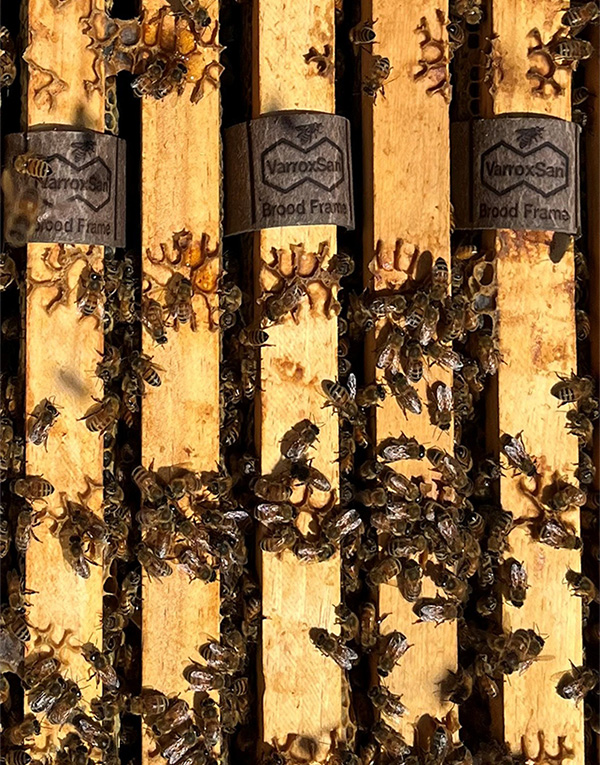
Treatment types and number of hives per treatment for this small trial were:
- Untreated control (8 hives)
- 3 VarroxSan strips per hive (13 hives)
- 2 Apivar strips per hive (17 hives)
Note that this was not a strictly designed trial to measure the differences between treatments, but an opportunistic one. As you can see in Table 2 there were higher mite counts in Apiary 1 compared to Apiary 2 at the start of treatment. Nonetheless, my results should give you an idea about how effective no treatment, VarroxSan, and Apivar strips were. In future studies looking at treatment efficacy, starting mite infestation levels should be standardised.
In this trial, Apivar provided the best control, even reducing a few quite high varroa levels down to between 0-2 mites in an alcohol wash on the day of treatment removal. VarroxSan strips mostly maintained mite levels which were low at the start of treatment, but in a few cases mite levels increased. Hives with no treatment unsurprisingly increased their mite levels except for one hive which maintained a level of 1 mite in an alcohol wash. Mite levels before and after treatment, treatment type and some frames of bees population estimates are presented in Table 2.
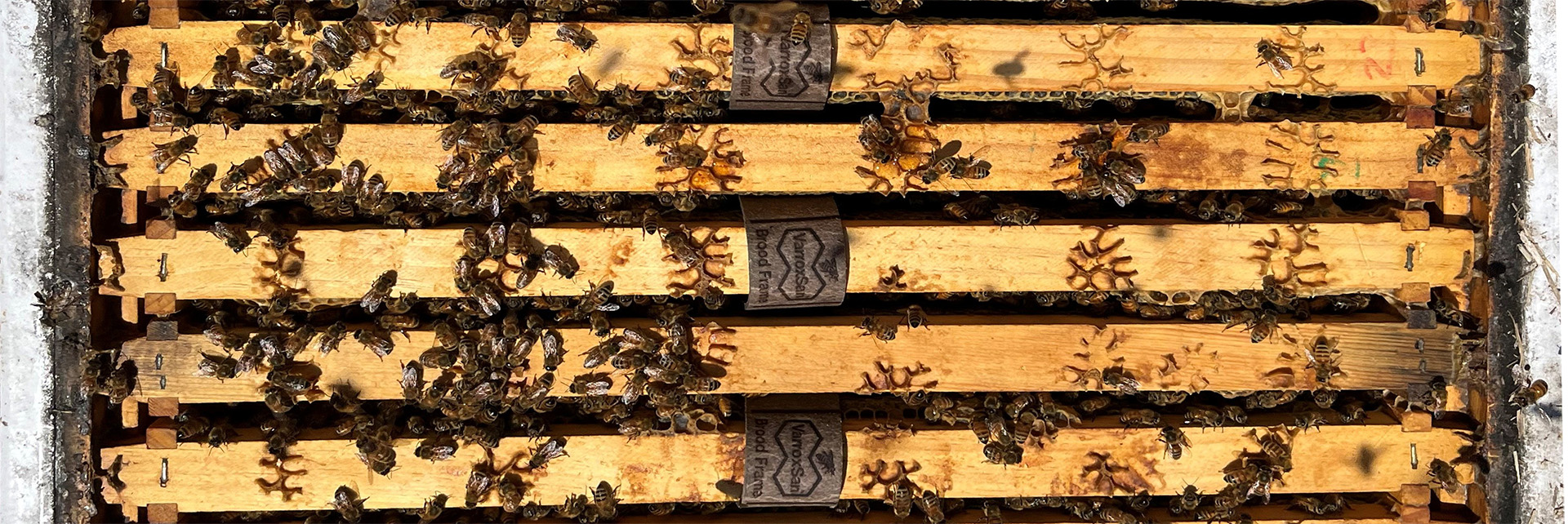
Last November I received a sample of VarroxSan, a slow-release fibre strip miticide. The active ingredient is oxalic acid dihydrate at a concentration of 18.42%. At the time, Aluen Cap slow-release oxalic strips weren’t yet registered, but a 60-strip pack of VarroxSan was available to me for experimental use. Like legally registered product Aluen Cap, the fibre strips are folded in half and hung over brood frames.
Table 2. Varroa levels, treatment type and frame of bees for Nov-25 to Jan-26 trial.
|
# Varroa in alcohol wash by date & apiary, treatment type |
|
||||
|
Colony |
11/10/2025 |
19/11/2025 |
11/2025 |
14/01/2026 |
14/01/2026 |
|
1 |
8 |
|
Apivar |
0 |
15 |
|
2 |
170 |
|
Apivar |
2 |
11 |
|
3 |
|
2 |
No treatment |
7 |
|
|
4 |
8 |
|
Apivar |
0 |
8 |
|
5 |
170 |
|
Apivar |
0 |
17 |
|
6 |
10 |
|
Apivar |
0 |
16 |
|
7 |
|
5 |
VarroxSan strips |
7 |
|
|
8 |
|
3 |
No treatment |
24 |
|
|
9 |
|
|
Apivar |
0 |
13 |
|
10 |
|
1 |
No treatment |
5 |
|
|
11 |
4 |
|
Apivar |
0 |
17 |
|
12 |
129 |
|
Apivar |
2 |
17 |
|
13 |
|
1 |
No treatment |
2 |
|
|
14 |
|
1 |
No treatment |
1 |
|
|
15 |
|
9 |
VarroxSan strips |
1 |
|
|
16 |
21 |
|
VarroxSan strips |
24 |
11 |
|
17 |
18 |
|
Apivar |
0 |
13 |
|
18 |
|
6 |
VarroxSan strips |
1 |
|
|
19 |
29 |
|
Apivar |
0 |
13 |
|
20 |
|
1 |
No treatment |
9 |
|
|
21 |
18 |
|
Apivar |
1 |
|
|
22 |
26 |
|
Apivar |
0 |
13 |
|
23 |
|
9 |
VarroxSan strips |
11 |
|
|
24 |
|
|
VarroxSan strips |
11 |
|
|
25 |
|
2 |
No treatment |
3 |
|
|
26 |
|
8 |
VarroxSan strips |
2 |
|
|
27 |
|
11 |
VarroxSan strips |
6 |
|
|
28 |
|
2 |
No treatment |
11 |
|
|
29 |
|
11 |
VarroxSan strips |
5 |
|
|
30 |
30 |
|
Apivar |
1 |
13 |
|
31 |
34 |
|
Apivar |
0 |
13 |
|
32 |
11 |
|
VarroxSan strips |
0 |
13 |
|
33 |
|
4 |
VarroxSan strips |
0 |
|
|
34 |
|
4 |
VarroxSan strips |
1 |
|
|
35 |
21 |
|
Apivar |
- |
8 |
|
36 |
40 |
|
Apivar |
0 |
17 |
|
37 |
|
5 |
VarroxSan strips |
4 |
|
|
38 |
15 |
|
Apivar |
0 |
12 |
All in all, it was interesting to see the level of varroa control Apivar, Varroxsan or no treatment afforded to my hives between late November 2025 and mid-January 2026. Apivar worked as expected, getting mite levels down to an average of 0.35/alcohol wash on the day treatment was removed. The hives without treatment had an average of 7.75 mites/alcohol wash. These untreated hives didn’t increase in Varroa numbers as quickly as they did the year before, perhaps suggesting varroa re-infestation around Tocal is lower this season. VarroxSan treatment afforded some control, however, there was still an average of 5.5 mites/alcohol wash on remaining treatment removal. Some hives chewed their 3 VarroxSan strips down to just a small square on the top bars quickly during treatment. Half of the VarroxSan hives still had about 50% of the strip present in the hive as in Figure 2. I would expect hives which are very proactive at removing VarroxSan, Aluen Cap or homemade slow-release oxalic acid and glycerin strips will need more frequent mite control applications, since the treatment is not present for the full application period. My lessons from these three treatment options was that Apivar was the star even capable of knocking down mite levels over 100/alcohol wash. VarroxSan slowed varroa population growth, but did not provide any serious population reduction, so could be questionable to use in high reinfestation areas. Needless to say, no treatment was a poor option and mite populations grew from an average of 1.6/alcohol wash at the start of the 50-day trial period up to 7.75/alcohol wash at the finish, at which point I applied a synthetic miticide.
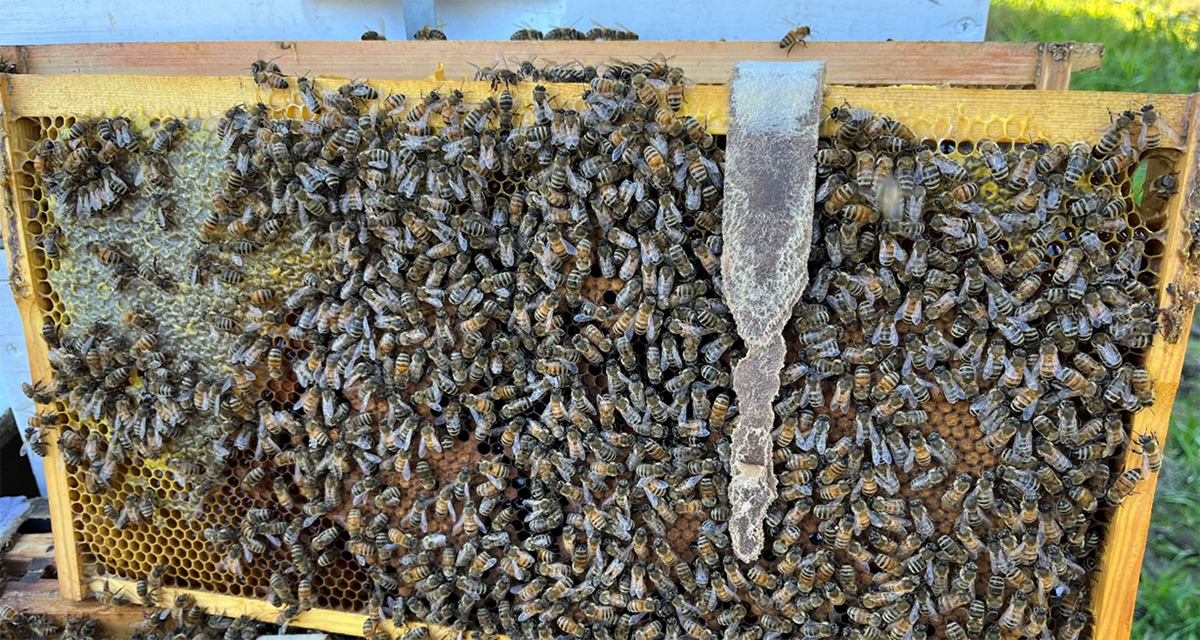
Figure 2. Roughly half of the VarroxSan strips looked like this 50 days after treatment went in. The other half were almost completely chewed and gone.
Like all good tools, if you respect them, you’ll get the best use out of them. Miticides have a use by date and storage guidelines for a reason, to preserve the active ingredient at its most effective. Store them according to the label, even while you’re in the apiary. Would you leave your beer in the full sun all day in summer while you're working bees? Would you leave your hives netted on the truck in the sun on a summer day? On hot days, you might need to have a miticide-specific esky to keep the product cool so heat doesn’t degrade the active ingredient. Make sure you have a separate food esky and don’t interchange them (Figure 3)!
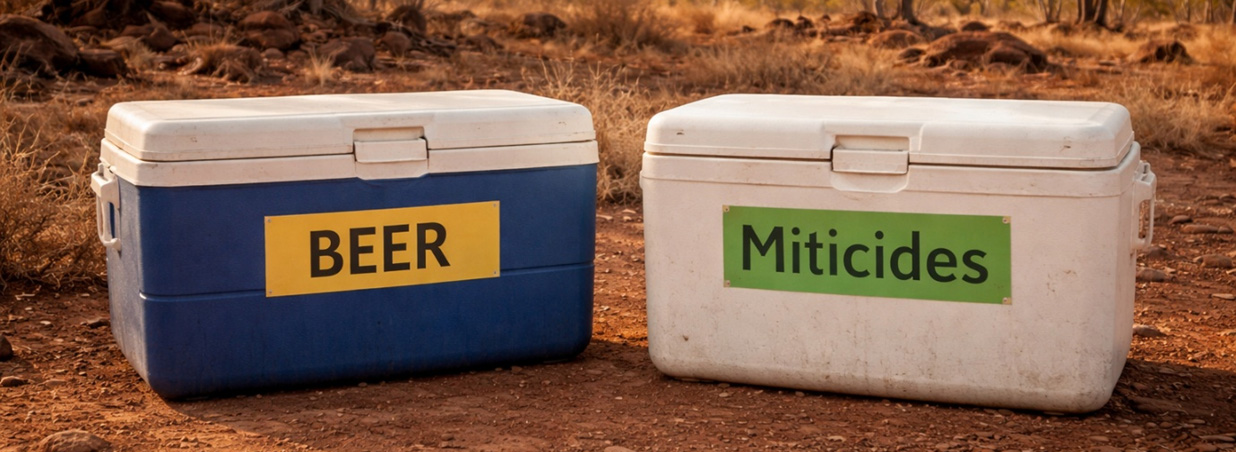
Figure 3. If you left your beer in the heat all day while you're working bees, how good would it be when you knock off? Protect your miticide investment and hives, follow storage temps. Credit: AI Image.
With all miticides, you should check them as soon as you buy them that all packaging and seals are in place. I had one packet of synthetic miticides arrive that had a 2cm opening in one of the sealed ends. I had to throw this miticide out because as soon as that package is open, the active ingredient starts releasing. Synthetic miticide packages should not be resealed and saved for later use. Later on, that previously opened package will not have the same amount of active ingredient, it won’t kill mites as effectively, and will expose varroa to lower chemical doses – a key risk for the development of miticide resistance. All miticides should be applied in the amounts instructed on the label. They should also be removed from the hive according to the label or permit instructions and should never be used back to back or after a treatment with the same mode of action. These kinds of mistakes allow varroa that are naturally more resistant to the miticide to survive and pass this resistance on to their offspring.
In conclusion, be proactive about mite monitoring each apiary monthly and shortly after treatment. Last season I ended up treating four times, once with Apitraz, once with Bayvarol, and twice with oxalic acid strips. In some areas of higher reinfestation, beekeepers may have had to treat even more. If you’re not using the alcohol wash or soapy water wash method for mite monitoring, you’re flying blind and could end up with reduced honey production at best, or soon to be dead hives at worst. If you’re noticing mites on worker bees in your hive just with the naked eye, you’ve got a serious infestation which, even if treated that day, could already have put quite a dent in that hives’ productivity and worker longevity.
For more information on NSW-registered varroa control treatments and decision-making help, check out the NSW DPIRD online Varroa Management Tool and for an explanatory video, visit www.tocal.nsw.edu.au/courses/bees or scan the QR code.