
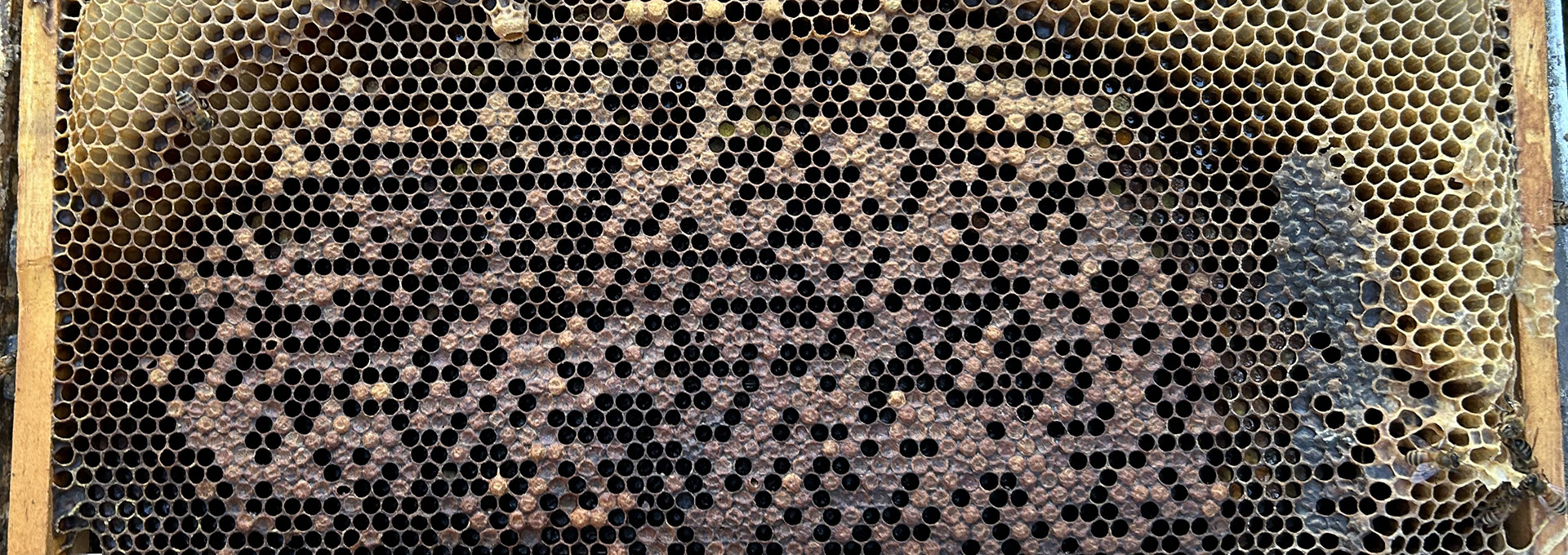
An AFB frame with even a small amount of honey is a big problem. That honey may contain BILLIONS of AFB spores, so don't let it get robbed out.
Becoming a Better Beekeeper in 2026.
By Rod Bourke DPIRD Biosecurity Officer

Welcome to 2026, which will be an extremely critical year for all beekeepers in NSW, QLD, Vic and SA as varroa continues to spread further and they all go through various phases of its long-term impacts on bees and beekeepers. Varroa really puts the pressure on beekeeping, but it will not end your beekeeping journey if you put a little bit of extra work in, adapt to the new normal (which has varroa management firmly front and centre in it) and be a good beekeeper in this new environment. Varroa is responsible for many beekeepers leaving this wonderful pastime, but generally any good beekeeper can survive everything that varroa can throw at them and they will continue to do quite ok, but this success may require a little bit more work than “before”.
Don’t get scared by varroa, as they are basically the beekeeping equivalent of fleas and ticks on your pets, and can be managed adequately so that you can continue enjoying healthy strong bees.
Check out some great FREE Varroa training and other resources here Training — National Varroa Mite Management Program
I regularly get calls from recreational beekeepers that have just discovered that their hive was not doing so well and are after some advice on how to fix it. Apart from unmanaged varroa and their associated viruses, there are many other reasons why a bee colony could be struggling, including:
- Poor nutrition (pollen quality) leading to decreased brood rearing and also producing poor quality weaker bees.
- Poor resources - inadequate nectar available, or a low amount of stored honey in the hive leading to starving.
- Queen problems - old, poorly mated, drone-layer, queenless, laying worker or swarming.
- Small hive beetle (SHB) or wax moth getting an opportunity to establish and breed.
- Adult bee or brood diseases - Nosema, AFB, EFB, Chalk brood etc.
- Poisoning
Most of these problems can be easily managed or addressed (especially with nutrition) to prevent them from ever being a major impact upon your bees, but some are harder to prevent.
Often it is advanced and previously undetected American foulbrood (AFB) that has caused the colony to weaken considerably or already fail before the beekeeper discovered there was even a problem.
AFB is one of the most misunderstood brood diseases (it primarily kills the brood, not adult bees) that beekeepers encounter, and both novice and quite experienced beekeepers sometimes find it hard to identify and manage the problem.
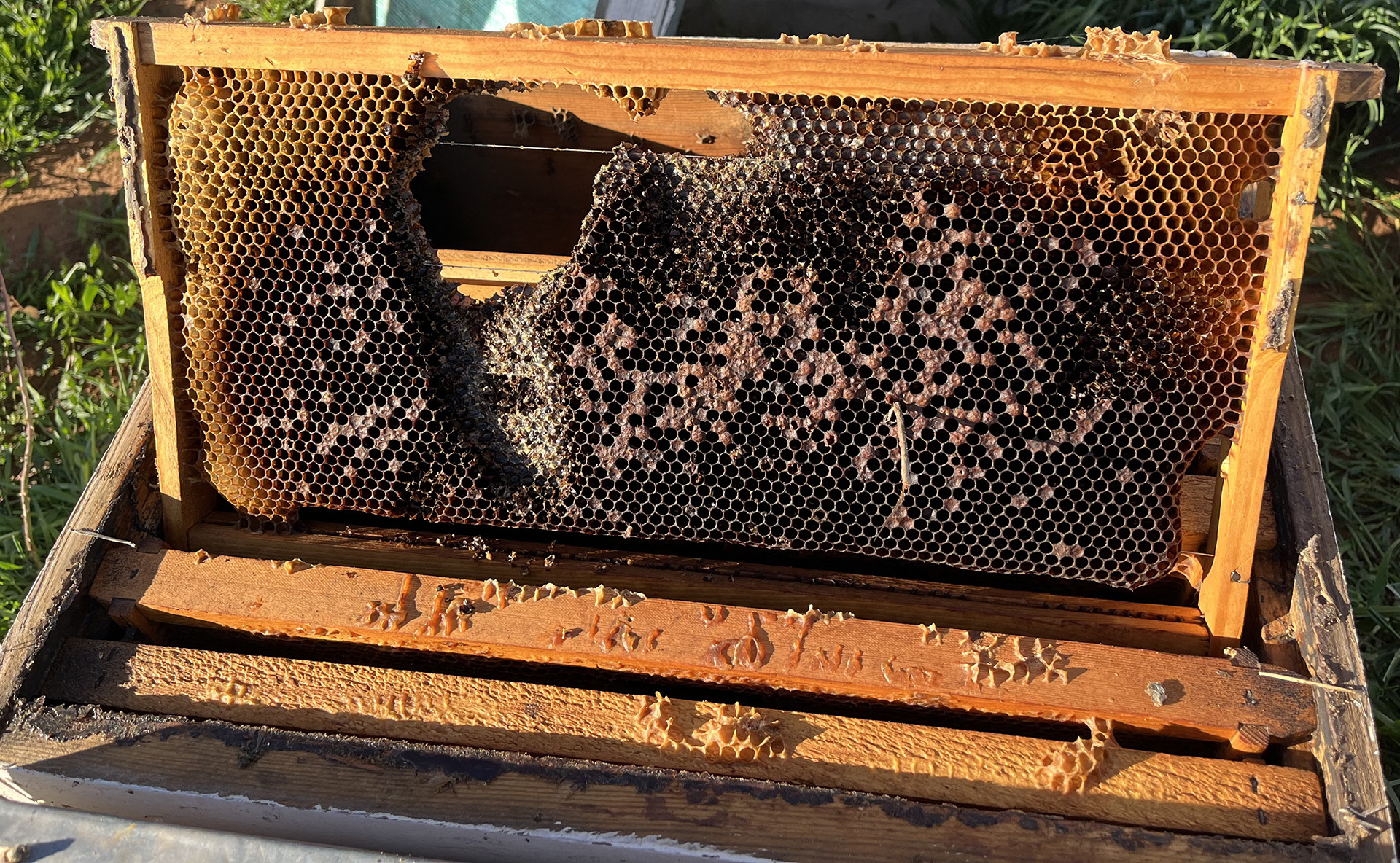
This neglected hive became an AFB dead-out that was completely robbed out by other bees and rodents. Other nearby hives likely got AFB from this one.
One of the biggest issues is that beekeepers often don’t know what signs they should be looking for and are often hesitant to even remove the queen excluder and actually inspect brood. Both of these management deficiencies need to be addressed by every beekeeper, as they are extremely important parts of managing any number of bee hives (be that running one hive or thousands of them). The added pressure and financial cost in managing varroa makes this even more important now.
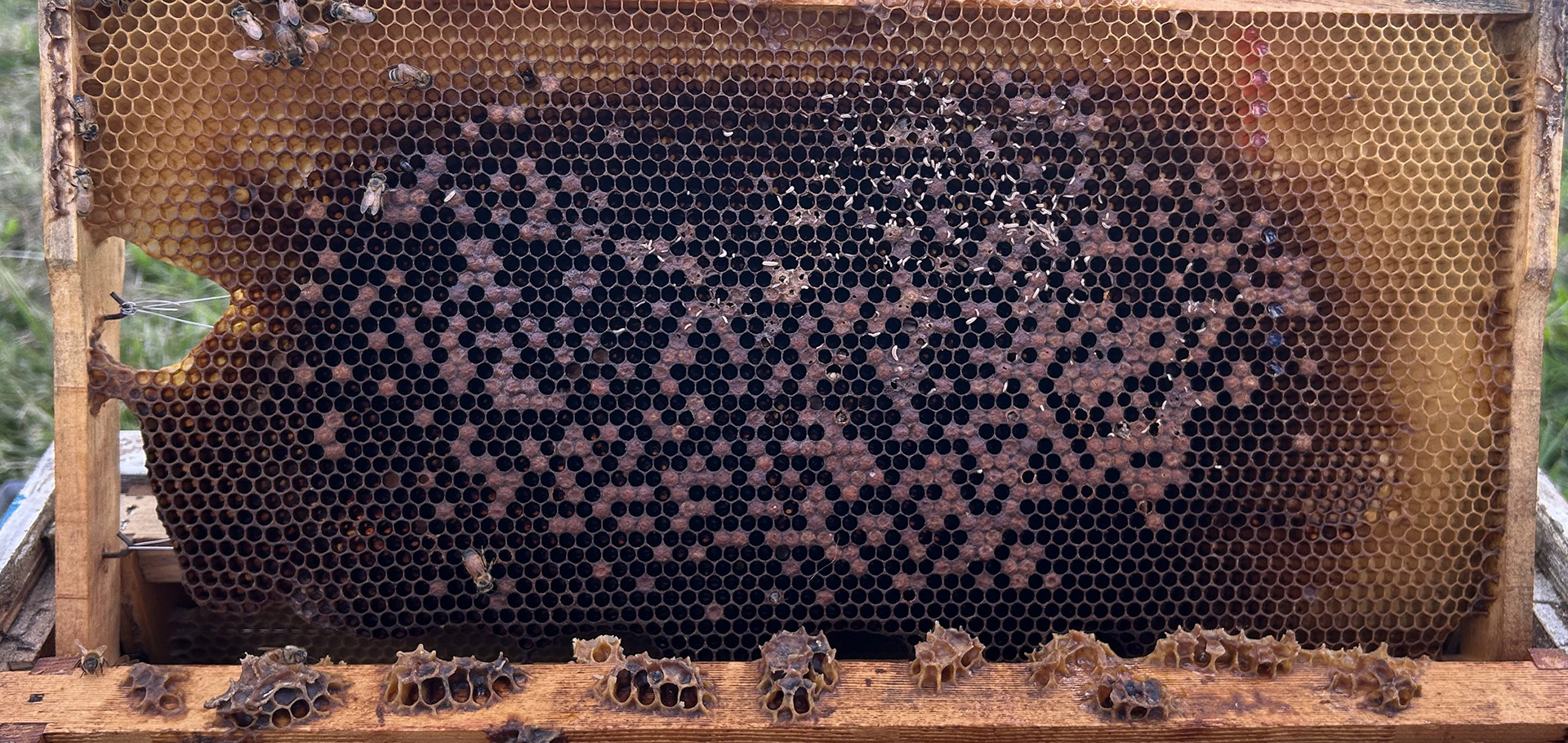
This unhealthy colony will now slime out. Beetles (nor wax moth in other cases) were not the primary cause of this hives demise and it would be best to irradiate any slime-outs before reusing.
The brood box is the motor that runs the super organism that you are keeping within that bee hive, so without adequate inspection and management you will not be able to keep it running in very good shape for long. Some beekeepers never go below the queen excluder; they may be scared about disturbing the bees or hurting the queen and as a result they have absolutely no idea of what is going on down there. They may only have a look when they discover that the hive is dead. That approach needs to be changed, as you are not beekeeping if you don’t go down in there throughout the season and get used to looking at your queen and gauging her egg laying work and stored resources around the brood area.
Before varroa came along you could probably get 1 or 2 reasonable seasons out of a hive without managing it at all and still get enough honey to satisfy their needs. It would swarm (be a public nuisance) and possibly requeen itself, and unless taken out by SHB or a queen problem, it may survive ok for a reasonable while. If it did die then it was often discovered (often quite some time after that actually happened) to be starved or robbed out, full of wax moth or a slimed-out mess, or if found early enough show all the clear symptoms if AFB. Many hives that are full of wax moth or slimed out would most likely have also shown AFB if they had been inspected months earlier before the colony weakened and failed.
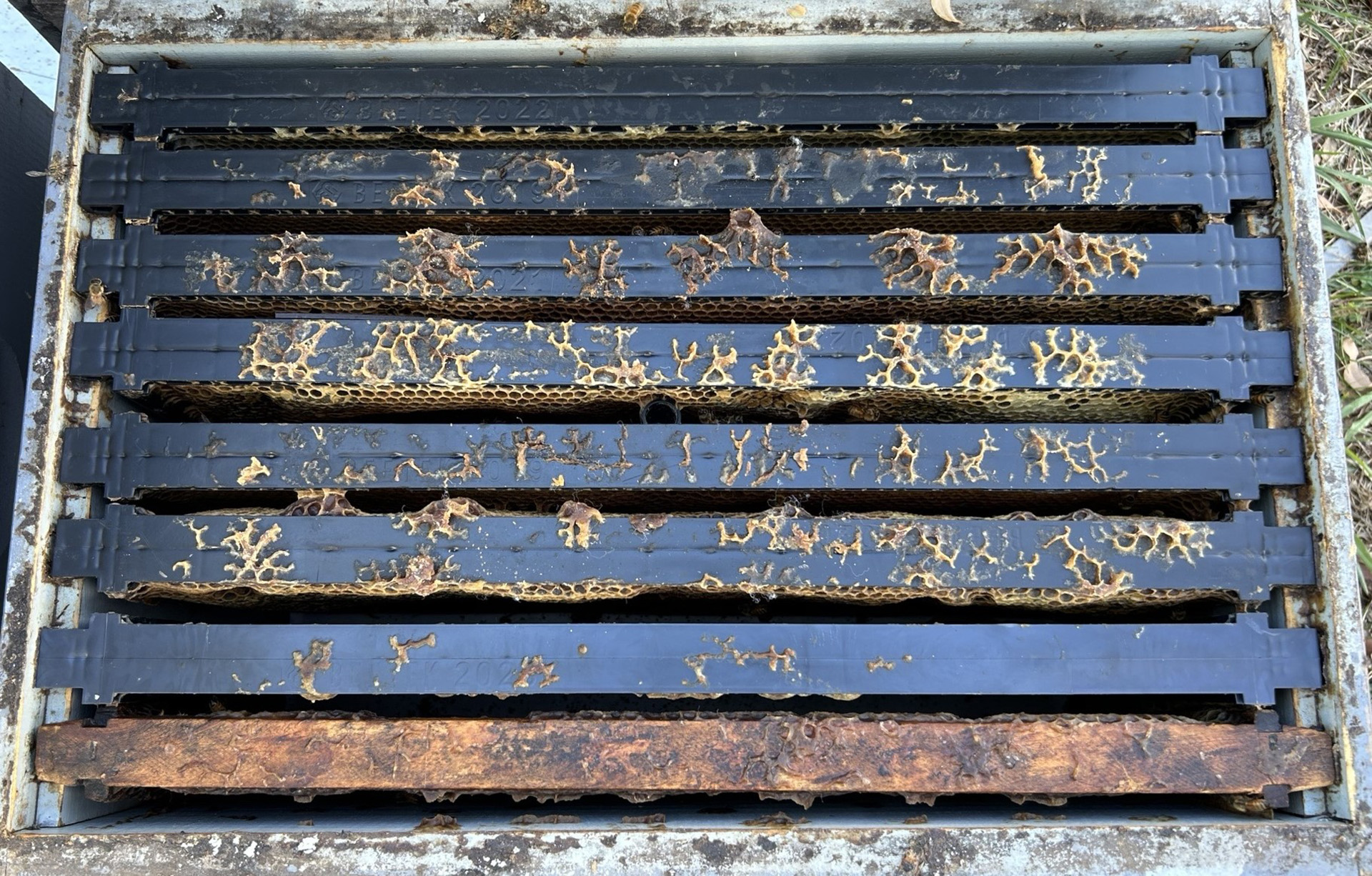
A dead hive full of honey may contain hundreds of BILLIONS of AFB spores (or more)...manage weak hives appropriately (as per the Code) to not allow them to die out and become exposed to robber bees.
As a keeper of bees (even if it is just one colony) you are legally required to be registered with your state, and as part of your responsibilities as a registered beekeeper you must follow state legislation as conditions of registration. The NSW Biosecurity Act 2015 states that you, the beekeeper, have a General Biosecurity Duty and must manage your bee hive in such away that it does not become a biosecurity threat. You can fulfil this duty by doing regular brood inspections (minimum is twice per year e.g. Spring and Autumn) and manage bee pests and diseases appropriately. Do not allow poorly or unmanaged hives to become weakened or dead and be robbed out by other bees. Do not allow your extracting facility or used equipment, honey and wax cappings to be accessible to robbing by bees. Don’t be the type of beekeeper who is a biosecurity threat to all other beekeepers nearby and is likely spreading diseases such as AFB.
My New year resolutions message for all beekeepers is to please further educate yourself about bee pest and disease management and to become adept at opening your brood box and managing it, for both your own sake and that of all other beekeepers around you. One of the worst things that can happen is your hive to get AFB for “no apparent reason”, and often this is actually caused by a grubby beekeeper nearby who has allowed robbing to occur from their facility or exposed equipment/dead hives. Please don’t be that type of beekeeper.
Training is an integral part of improving one’s self, so for those looking at some free training opportunities (funded by each state BBO program so that it is free for beekeepers) then please see this link.
There is a great AFB manual that covers everything you ever need to know about AFB Managing AFB - a field guide
The new COP can be found here Australian Honey Bee Industry Biosecurity Code of Practice
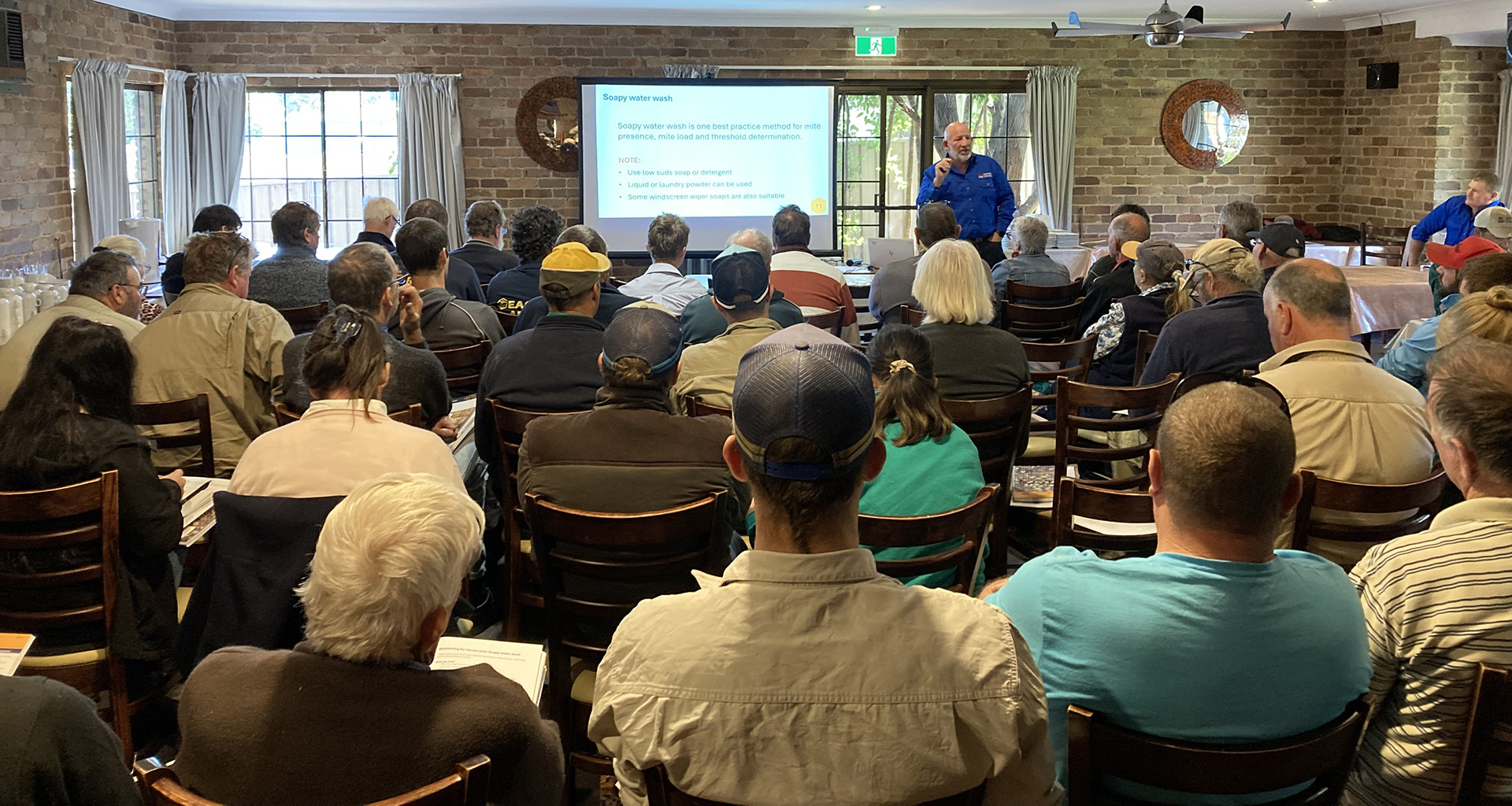
Training is a great way to increase your knowledge about managing the various bee pests. Under the new Code of Practice if you have 20 or more colonies then you need to undertake approved training every 3 years, yearly Honey Culture Test for AFB and yearly Appendix 1 form.
The incidence of AFB is often elevated in areas with high numbers of hives and beekeepers in it, and just one rotten egg can spoil it for many nearby. If all beekeepers bee-proofed their shed, extracting facility and stored equipment and didn’t expose any honey etc. to bees (all of which the Code of Practice and Biosecurity Act already requires us to manage) then the incidence of AFB would be greatly reduced. That means that some beekeepers need to improve on how they do things. Now that we also have an increasing presence of Varroa mite means that we all need to improve our beekeeping practices.