
The Secret Partnership Between Bees and Fungi
By Jasmin Li, PhD Candidate at the University of Sydney

Fungi often receive a bad reputation, and not without reason. Poisonous mushrooms, disease-causing yeasts, and mould creeping onto food or into our homes make the “bad fungi” list a long one. But, before writing off the entire kingdom, it’s worth remembering that not all fungi deserve the same negative spotlight. In fact, some of them may be quietly giving our bees a helping hand.
What are Fungi?
Fungi are a diverse group of organisms that are neither plants nor animals. The fungal kingdom spans everything from single-celled yeasts to massive networks of underground filaments. Fungi are everywhere, playing crucial roles in the ecosystem such as breaking down plant material to recycle nutrients, forming partnerships with roots to improve plant nutrient uptake, and much more. They can even form remarkably intimate relationships with insects like the fungus-farming leaf-cutter ants.
Fungi are an unexpected source of nutrients
Bees are generally considered herbivores, grazing on pollen and honey as their main sources of protein, fat and carbohydrates. But unlike classic herbivores such as caterpillars, bees appear to rely on more than just plants.
Researchers have discovered that microbes, including fungi, make up a surprisingly substantial part of their diet. This pattern shows up across a wide range of bee families, from bumblebees to ground-nesting bees, and even leaf-cutting bees. Which raises an intriguing question: just how important are fungi to bees?
Bees can snack on fungal spores
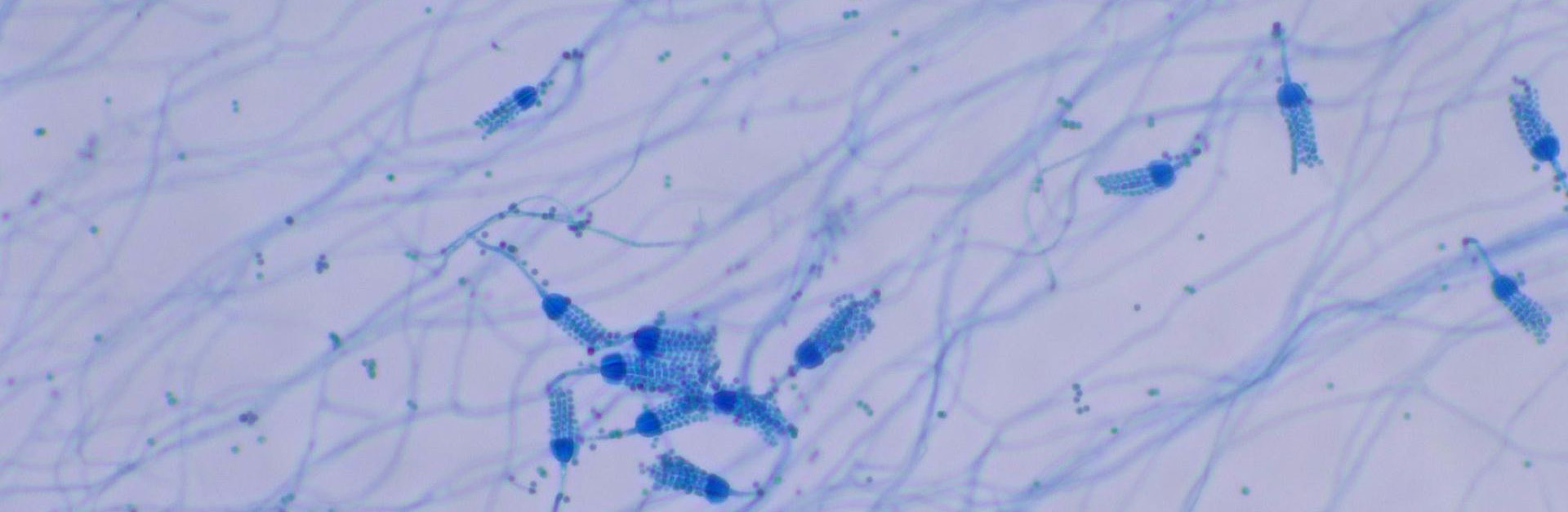
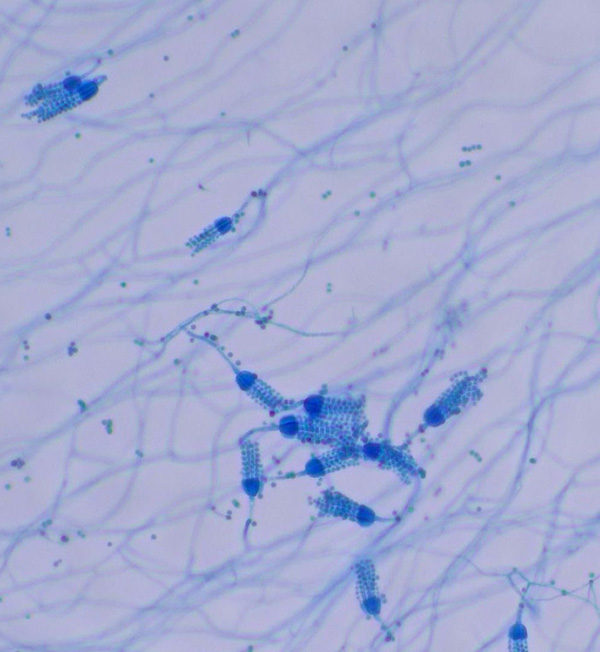
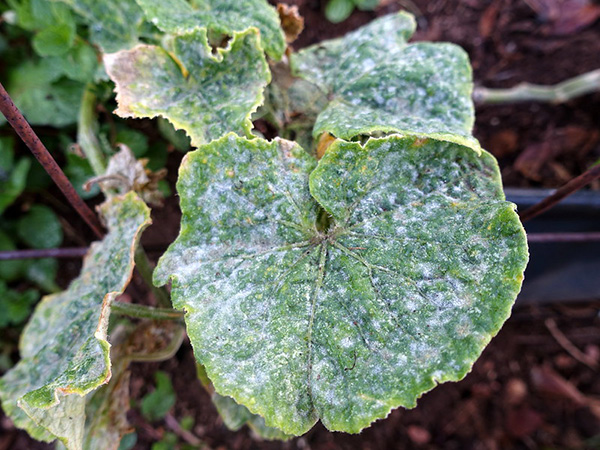
There have been numerous observations of honey bees and stingless bees foraging on an unexpected variety of mould spores. In fact, researchers have watched the Australian stingless bee, Tetragonula hockingsi, actively choosing cucurbit powdery mildew growing on cucumbers over the pollen from the cucumber flowers themselves! Bees have also been spotted collecting spores from bread mould and even from stinkhorn fungi.
Fungal spores can be an appealing food source because they’re often rich in protein, fats, vitamins, and minerals. Of course, not all fungi are safe to eat, as we know some species can be quite toxic. Scientists are still working to understand why certain fungi attract bees over others. Are bees turning to spores only when plant pollen is scarce, or are spores a regular, intentional part of their diet? Whatever the answer, fungi do offer one advantage that flowers can’t.
Fungi can be found all around us in the environment, thanks to the hardy spores, enabling them to survive all types of harsh conditions for long periods of time. If you have ever had the displeasure of battling black mould at home, you will understand firsthand how persistent it can be. While that resilience can be a nuisance for us, it’s a potential advantage for bees. Unlike flowers, which bloom only during certain seasons and under favourable weather, fungi are present year-round, meaning they are more accessible.
Beyond an alternative source of nutrients…
Fungi aren’t just a backup food source; they can play a crucial role in the development of some bees. Researchers in Brazil have discovered that several native stingless bee species in the region actually need a specific fungus to pupate into an adult. The fungus provides a key foundational compound that the bees themselves cannot produce, and this compound is required to make the hormones that drive the pupation process.
So far, this phenomenon has only been documented in Brazil. Researchers in the Fernandes lab at the University of Sydney are now investigating whether similar relationships exist in Australian species.
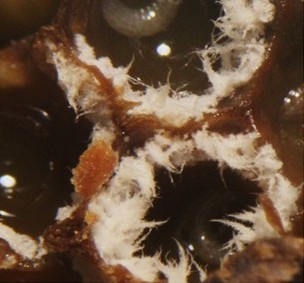
As part of this work, I’m studying Tetragonula carbonaria, one of Australia’s most widely managed native stingless bees and a species that also produces honey.
My research explores whether these bees rely on fungi for survival or development, and which fungal species might be involved. Understanding these relationships will help us better protect and manage the health of our remarkable native bees.
So, the next time you spot mould on your fruit, or vegetables, remember, for bees, it might just be a tasty treat!
Watch a short 1-minute animation of my research to learn more about fungi and bees!
Join the Fernandes lab mailing list to keep up to date with the latest research