
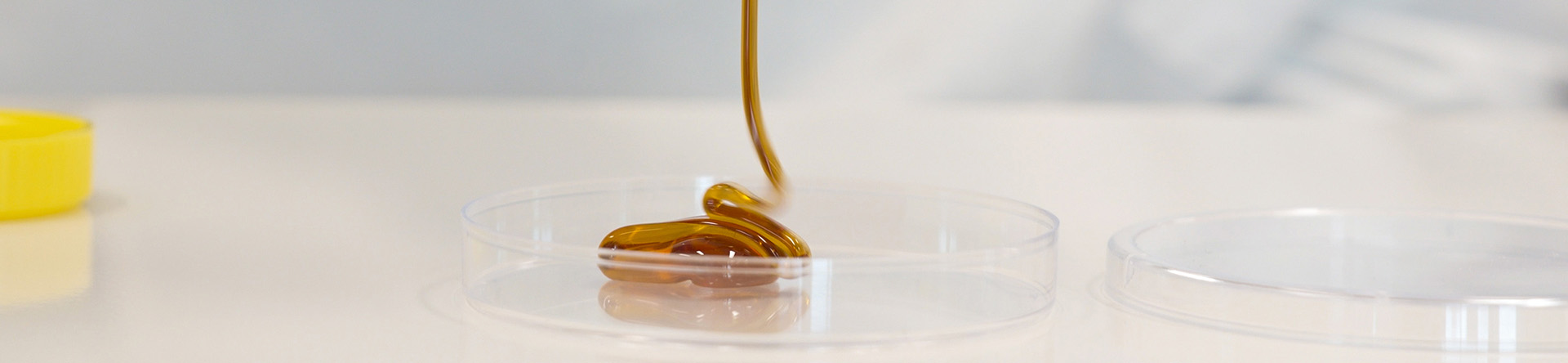
Australian Stingless Bee Honey Packs a Serious Antimicrobial Punch!
By Dr. Kenya Fernandes, University of Sydney


If you keep stingless bees, you probably already know their honey is something special. It's thinner than honeybee honey, tangier, and has been used in Indigenous medicine for thousands of years. What we didn’t have before now was solid scientific data on why it’s so special.
My team at the University of Sydney tested 48 samples of Australian stingless bee honey against bacteria and fungi that cause skin infections, food poisoning, UTIs, and systemic infections. The results were far better than we expected. This honey isn't just good – it's exceptional.
image - Tetragonula carbonaria hive at the University of Sydney
Why this matters
By 2050, antimicrobial resistance could kill 2 million people every year. Bacteria are evolving faster than we can develop new antibiotics. Honey has been used medicinally for millennia, but not all honey performs the same way. We wanted to know where Australian stingless bee honey sits on that spectrum.
Three species tested
We worked with honey from three native species: Tetragonula carbonaria, Tetragonula hockingsi, and Austroplebeia australis. If you keep any of these bees, you're producing what Indigenous Australians call "sugarbag" honey.
Their nest architecture is totally unlike Apis mellifera: instead of combs, they build spirals of brood cells ringed by pots of honey and pollen. That enclosed, resin-rich environment likely shapes the honey’s chemistry.
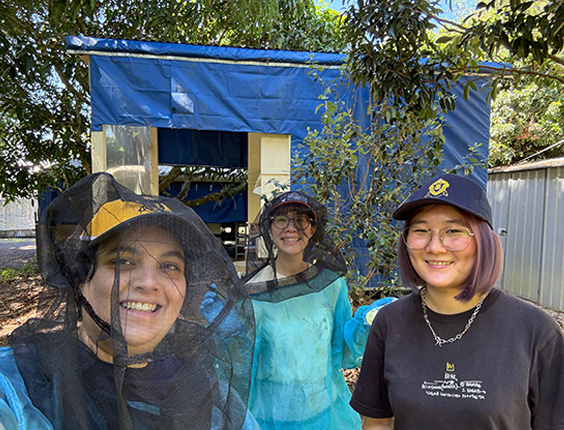
image - My team sampling from stingless bee hives in Lismore.
Every sample worked
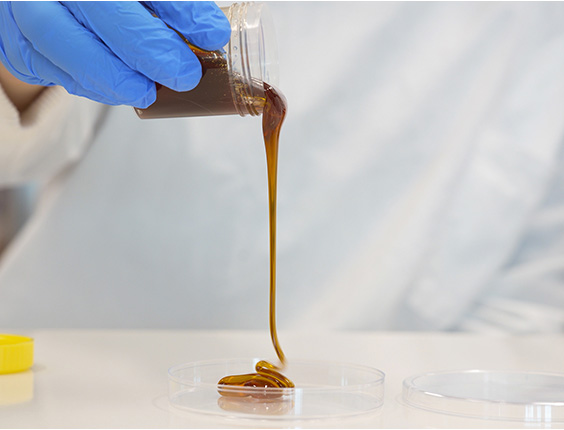
Across all 48 samples, we measured the concentration of honey needed to stop the growth of different types of bacteria and fungi. Every single sample had antimicrobial activity. There wasn’t a single “weak” honey in the entire dataset.
In many cases, stingless bee honey matched or beat active honey bee honey. This consistency suggests there's something fundamental about stingless bee honey that makes it inherently antimicrobial.
Heat doesn't destroy it
Most honey loses its antimicrobial properties when heated. We heat-treated our samples to separate heat-stable activity from temperature-sensitive compounds. The stingless bee honey held up remarkably well. Even after heating, it retained significant antimicrobial activity.
This means the honey could be heat-sterilised for medical-grade wound dressings without losing much effectiveness. It also suggests the antimicrobial compounds are stable and long-lasting.
A long, slow release of hydrogen peroxide
Honey produces hydrogen peroxide through an enzyme called glucose oxidase. In honey bee honey, this production typically lasts 12 to 24 hours, then stops.
Stingless bee honey kept producing hydrogen peroxide for 2 to 6 days. Some samples were still producing it after a week. T. carbonaria was the champion here, producing the most for the longest time. This means sustained antimicrobial action – the honey keeps working, day after day.
Old honey still works
We tested 18-year-old T. carbonaria honey that had been stored in a lab at 4°C in the dark. Their peroxide activity had degraded, which we expected, but the non-peroxide antimicrobial activity was completely preserved.
Honey stored for nearly two decades still kills bacteria and fungi. This opens up possibilities for long-term medical stockpiles. If you've got old stingless bee honey sitting around, it probably still has antimicrobial properties.
What's inside
Stingless bee honey is loaded with phenolic compounds – 2 to 3 times more than honeybee honey. These are plant-derived compounds with antioxidant and antimicrobial effects, likely coming from native Australian plants these bees forage on.
Honey from T. carbonaria and T. hockingsi also contain more diverse proteins than honeybee honey. Many are likely antimicrobial peptides – small proteins that punch holes in bacterial membranes.
Here's what it doesn't have: methylglyoxal. That's the compound that makes Manuka honey famous. Stingless bee honey works through a completely different mechanism.
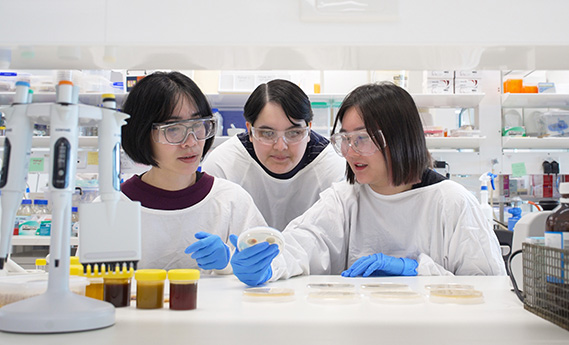
image - Checking results from some tests against fungi.
Medical potential
Stingless bee honey shows potential for use in wound dressings, infection control, and as a model for discovering new antimicrobial compounds. Its heat stability and long-lived activity make it an attractive candidate for medical-grade development.
Low production and lack of standardized testing protocols remain real obstacles. A stingless bee colony produces about half a liter of honey per year. A productive honeybee hive? Dozens of liters.
But more Australians are keeping stingless bees every year – not primarily for honey, but for native pollination, conservation, and education. As hive numbers grow, so does the potential for small-batch honey production.
Premium, not commodity
This isn't bulk commodity honey. It's a premium specialty product with scientifically proven medicinal properties. The honey doesn’t need to compete on volume. It stands out because of its bioactivity.
Our research provides scientific backing for knowledge that has existed in Indigenous communities for millennia. We hope our work will support premium pricing, industry development, and public interest.
What's next
Turning these findings into actual medical products depends on securing funding and partnering with medical researchers. Clinical trials are expensive and time-consuming. We're working on grants and building collaborations, but this is long-term work.
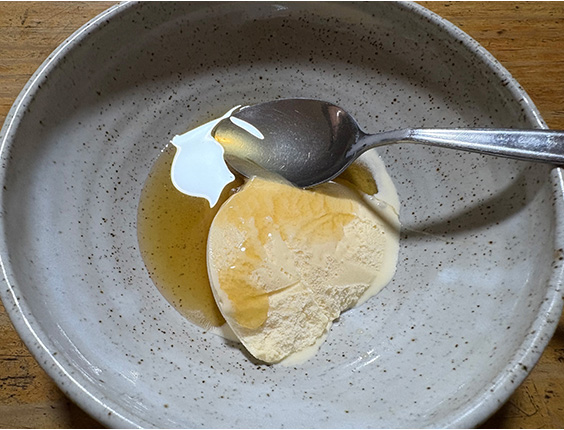
image-Stingless bee honey: also delicious with vanilla ice cream!
In the lab, we're continuing to investigate the chemistry and exploring practical questions. Can stingless bee honey be blended with honey bee honey to enhance properties, or does blending dilute what makes it special?
Australian stingless bee honey is proving to be far more remarkable than we expected. If you're keeping these bees, you're producing something truly special.
Read or watch the ABC News coverage.
Read the journal article published in Applied & Environmental Microbiology.
Join my personal mailing list to hear when new research comes out.