
Backyard Bees to Big-Time Pollination: Unlocking Almond Income for Small Beekeepers
By Dan Webb
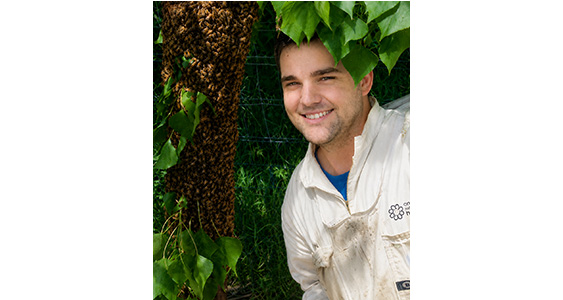
I started out in New Zealand working as a commercial beekeeper in an operation running around 5,000 hives. It was a proper introduction to scale — long days, tight systems, and the reality that beekeeping is as much logistics as it is bees.
When I moved to Australia, things looked very different. I was back to a much smaller setup, working full time and running bees on the side. Like a lot of beekeepers, I knew about almonds, but it always felt like something reserved for the bigger operators — those with trucks, forklifts, and teams. Eventually, I decided to give it a go anyway.
The Hard Way In
My first season wasn’t glamorous. I manually loaded around 50 hives onto a trailer and the back of my ute. There were breakdowns, bogged vehicles, late nights, and more than a few moments where I questioned the whole idea. Moving bees thousands of kilometres while juggling a full-time job is no small task.
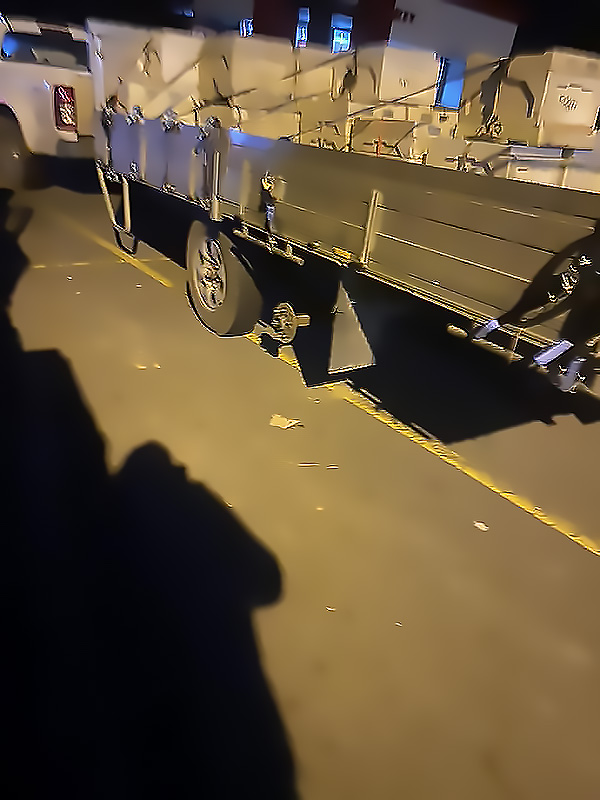
At one point, I snapped a wheel bearing and limped into the orchard with what was effectively three wheels instead of four — which is not ideal when you’ve just driven halfway across the country with a load of bees. It was a proper trial by fire, and a very quick lesson in how committed you really are to the idea.
Because of the delays, I arrived late — just in time for an electrical storm to roll through. So instead of a calm unload, I found myself pulling hives off in lightning, wind, and pelting rain, wondering if this was part of the standard almond pollination process that no one had mentioned.
Unloading bees at 2am, alone on an orchard, on your first trip, was… well, memorable.
In hindsight, the bees handled the trip better than I did. But I got them there.
When I saw the cheque at the end of it, it changed the way I looked at beekeeping.
The Realisation
Pollination wasn’t just something for large-scale operators. It was a reliable income stream — one that could underpin the rest of the business. The problem wasn’t demand. The problem was access. Most small to medium beekeepers simply don’t have the time, transport, or the equipment to get their hives to almonds, even though the opportunity is there. And for most, that’s where the idea stops.
Helping Others Get There
Over time, I started helping other beekeepers in the same position. Good beekeepers, with strong hives, who just couldn’t justify buying trucks, taking time off work, or managing the logistics.
Even for me, it was difficult. Coordinating transport, staging hives, and getting everything in place while working full time is a challenge. But once the system was in place, it became clear: There are plenty of hives in Australia — they’re just not where they need to be at the right time.
The Growing Gap
At the same time, the industry is facing increasing pressure. Almond plantings continue to expand, demand for pollination is rising, and hive supply is tightening.
Varroa Changes the Equation
Varroa introduces a new baseline cost to every hive. For many beekeepers, the question becomes: "How do I make my hives pay for themselves?"
A Simple Way to Look At It
Pollination provides something that is becoming increasingly valuable in beekeeping — certainty. Unlike honey, which can vary season to season, pollination offers predictable income and reliable cash flow. And importantly: You still have the rest of the season to produce honey.
The Opportunity for Small-Scale Beekeepers
There are thousands of hives across Australia that never enter pollination. Not because they aren’t strong enough, but because the logistics don’t stack up. Individually, these hive numbers can feel too small to justify the effort. But collectively, they represent a significant and largely untapped resource.
Lowering the Barrier
The key to unlocking this opportunity is removing the bottlenecks: transport, coordination, and time commitment.
Looking forward
As varroa reshapes the industry, the most resilient beekeeping businesses will be those with multiple income streams.
Connecting the Dots
The industry doesn’t necessarily need more bees — it needs a better way of getting the bees we already have to where they’re needed. We’re now working with beekeepers running anywhere from 8 hives through to 200, helping them access pollination. It’s the same pathway I used to scale my own bees. Now, I’m focused on doing the same for others through Let’s Go Pollination.
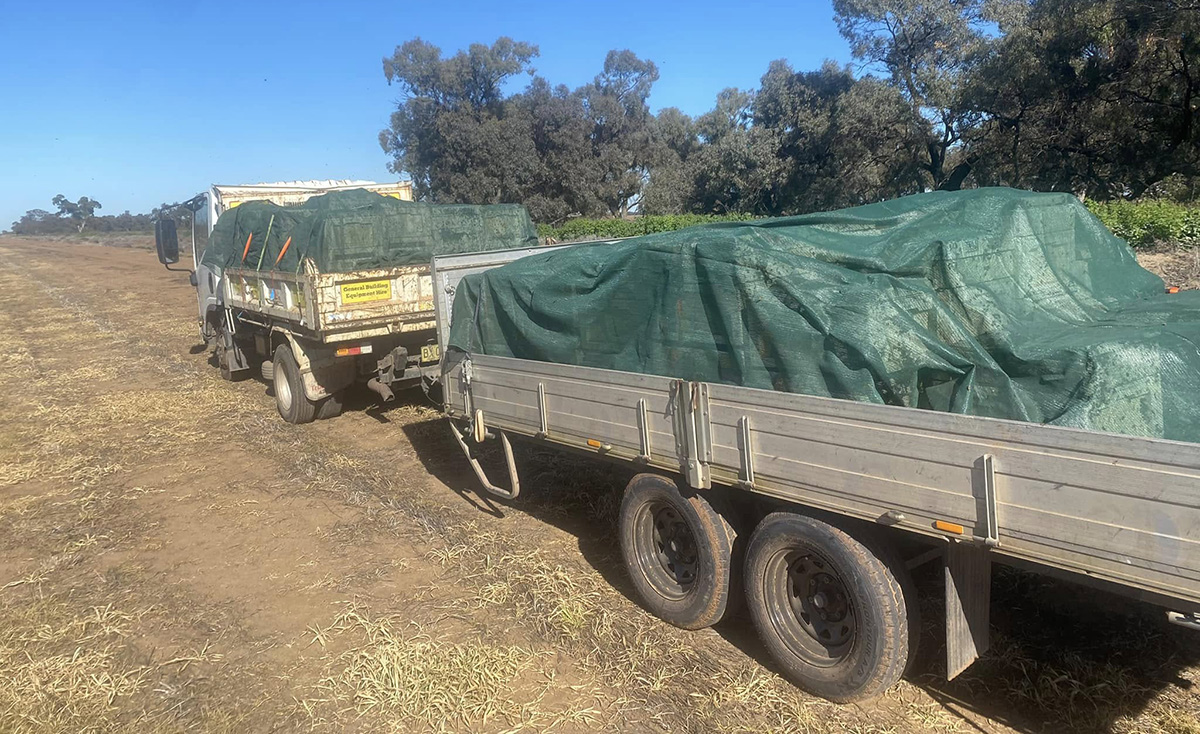
Your Bees, Our Trucks — Let’s Go Pollination
If you’ve got strong hives but don’t have the time, transport, or equipment to get them to almonds, we can help.
Visit our website http://www.letsgopollination.com.au/ for more information and download the information sheet or get in touch directly on 0490 822 319.