
Resistant Varroa, Fewer Legal Tools, and a Harder Road Ahead
By Mike Allerton

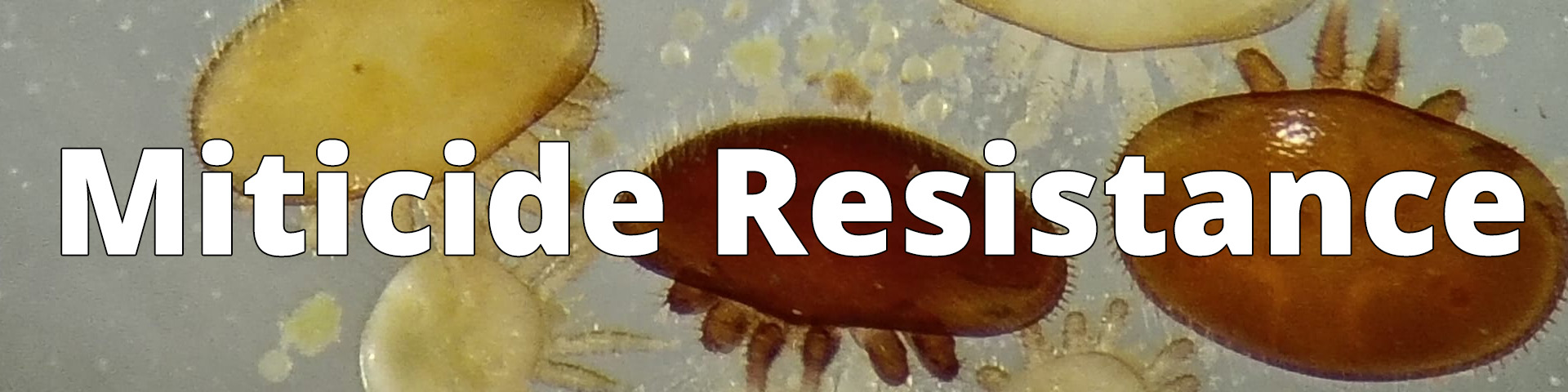
Australian beekeepers have had to learn varroa management quickly. We have moved from eradication to transition to management, to the uncomfortable reality of living with Varroa destructor. Many recreational beekeepers are still building confidence with monitoring, thresholds and treatment timing. Now the job has become harder again.
In early 2026, resistance to synthetic pyrethroid treatments was confirmed in New South Wales and Queensland. These are the products many beekeepers know as Bayvarol and Apistan. Soon after, amitraz resistance was confirmed in Queensland and then New South Wales, affecting the amitraz products Apivar and Apitraz. AHBIC later reported that synthetic chemical resistance detections were broadly established across NSW and southern Queensland and were no longer considered geographically confined. National outbreak reporting has since stated that, except for the ACT, all states with varroa populations are experiencing resistance to both major synthetic treatment groups.
That matters to every beekeeper, including those with only one or two hives. Synthetic strips were expected to be the emergency backstop. They were legal, familiar, easy to apply and widely promoted. Many beekeepers assumed that if mite counts rose, they could simply insert strips and regain control. In areas where resistant mites are present, that assumption is now dangerous.
This does not mean every hive in Australia contains resistant mites. It does not mean every synthetic treatment will fail every time. It does mean beekeepers can no longer assume that a legal product is also an effective product in their own apiary. From now on, the only honest answer is to monitor before treatment, monitor during treatment where appropriate, and monitor again after treatment.
The resistance confirmed in NSW and Queensland appears to be part of a newer mite population, separate from the original 2022 Newcastle detection. That point is important. It suggests Australia is not only dealing with resistance created by misuse after varroa established here. We appear to have received a mite population that already carried resistance to our most convenient synthetic tools. Beekeepers did not create this problem alone, but beekeepers are now expected to manage the consequences.
From an ABA biosecurity perspective, this exposes a serious weakness
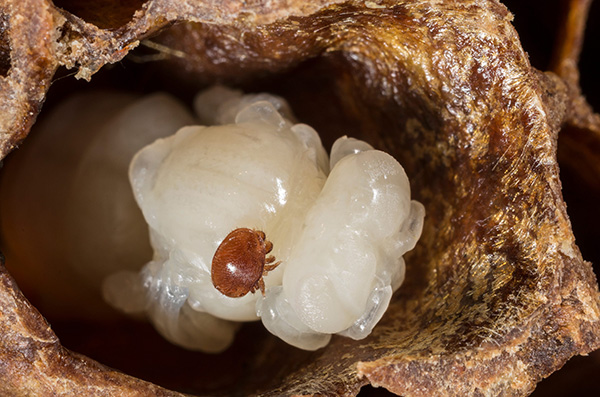
in Australia’s varroa preparedness. We entered management with too few legal options, too little flexibility and too much reliance on a narrow group of registered or permitted products. When both synthetic chemical groups are compromised, the remaining legal options are mostly organic acids and thymol. Those treatments are valuable, but they are not simple replacements for amitraz and pyrethroid strips.
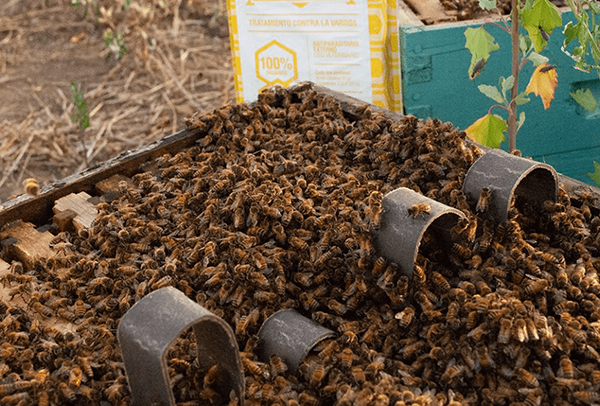
The current Australian treatment list includes eight products, four synthetic and four non-synthetic. The synthetic products are Apistan, Bayvarol, Apivar and Apitraz. The non-synthetic products are Api-Bioxal, Apiguard, Formic Pro and Aluen CAP. Where resistance to pyrethroids and amitraz is present or suspected, the practical legal toolbox is reduced to the non-synthetic group. That is a very small toolbox for a national pollination industry and for thousands of recreational beekeepers trying to keep colonies alive.
Formic Pro is particularly valuable because formic acid can affect mites in capped brood as well as mites on adult bees. That is important when colonies are brood rearing heavily, which in much of Australia can be a large part of the year. The limitation is that formic acid is temperature-sensitive and can be hard on colonies when used outside the permit conditions. Under Australian permit information, Formic Pro is to be used when daytime highs are between 10 degrees and 29.5 degrees Celsius, with warning that hot temperatures above 33 degrees during the first three days may lead to excessive bee, brood or queen loss. That immediately limits its use in many Australian conditions.
Apiguard, based on thymol, is another useful non-synthetic treatment. It can be helpful when honey supers are off and temperatures suit the label. However, thymol can disturb bees, is temperature-dependent and is not ideal for every season or every colony condition. Like all treatments, it must be used exactly according to its label or permit.
Api-Bioxal gives beekeepers a legal oxalic acid option under APVMA permit. Oxalic acid is most effective against phoretic mites, meaning mites on adult bees. It does not reliably kill mites sealed under capped brood. That makes timing critical. Oxalic acid works best when the colony is broodless, nearly broodless, or when the beekeeper deliberately creates a brood break. Used into a full brood nest, it may produce a mite fall and still leave a large reproductive mite population protected in sealed cells.
Aluen CAP is a slow-release oxalic acid strip and is a welcome legal addition. It is especially important because many beekeepers have otherwise been tempted to make home-made oxalic strips with inconsistent dose, absorbency and release rate. A manufactured product is safer and more standardised. However, the current permit conditions are restrictive. Aluen CAP is to be left in place for 42 days, must only be used once a year, and must not be used over two consecutive treatment periods. That creates a major gap when resistant mites may require repeated non-synthetic control through the season.
This is where advocacy is needed. Australia needs more than emergency permits and a handful of constrained products. We need faster approval pathways for safe, standardised non-synthetic treatments. We need practical legal access to oxalic acid and formic acid methods that are already widely used overseas. We need clear national guidance that recognises Australian climates, brood cycles and pollination movements. We also need regulators to recognise that the risk of having too few legal options is not theoretical. It is already here.
Recreational beekeepers are often told, correctly, not to use unapproved treatments. But that message must be matched with legal options that actually meet field conditions. It is not good enough to say “follow the label” if the legal label leaves beekeepers without a workable plan for large parts of the season. Compliance becomes harder when legal pathways are too narrow. If industry and government want beekeepers to remain within the system, the system must provide realistic tools.
For now, beekeepers need to manage with what is legal. The foundation is monitoring. Alcohol wash or soapy water wash remains the most reliable practical method for mite counts. Sugar shake is less reliable and is no longer easy to defend as harmless. Each apiary should be monitored before treatment, and the same hives should be checked again after treatment. In higher-risk areas, mid-treatment monitoring is also sensible. If mite counts are not falling, do not keep waiting and hoping.
A possible winter or late autumn plan, where conditions suit, is to remove honey supers, monitor mite levels, then use Apiguard, Formic Pro, Api-Bioxal or Aluen CAP according to the legal conditions and the state permit situation. If brood is low, an oxalic acid treatment may be particularly useful. If brood is present and temperatures are within range, Formic Pro may be a better fit. After treatment, wash again. A treatment that is not measured is a guess.
A spring plan is more difficult. Colonies are expanding, brood is increasing and pollination movements are underway. In resistant-risk areas, spring mite counts should not be allowed to drift high. If using formic acid, temperature and colony strength must be checked carefully. If using oxalic acid, consider whether a brood break can be created first. Queen caging, splitting, brood removal or a planned brood interruption can make oxalic acid much more effective because more mites are forced onto adult bees.
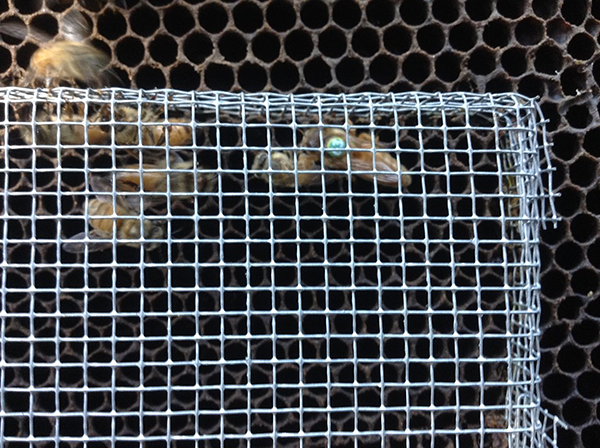
Mechanical methods will not replace legal treatments, but they can help. Drone brood removal is one useful method because varroa prefer drone brood. The trap only works if it is removed before drones emerge. Forgotten drone comb becomes a mite factory. Brood breaks can be powerful when done deliberately and combined with oxalic acid. Splitting colonies, caging queens, removing capped brood or temporarily interrupting laying can all reduce mite reproduction. Screened bottom boards may remove some fallen mites, but they are a support measure, not a primary treatment.
Good biosecurity also matters. Do not move weak or collapsing colonies. Be careful buying nucs, packages, queens or second-hand equipment. Monitor swarms before uniting them with established colonies. Robbing and drifting can spread mites locally, while hive movements can spread them hundreds of kilometres. Clubs should encourage members to report treatment failures rather than hide them. Treatment failure is not a moral failing. Silence is the problem.
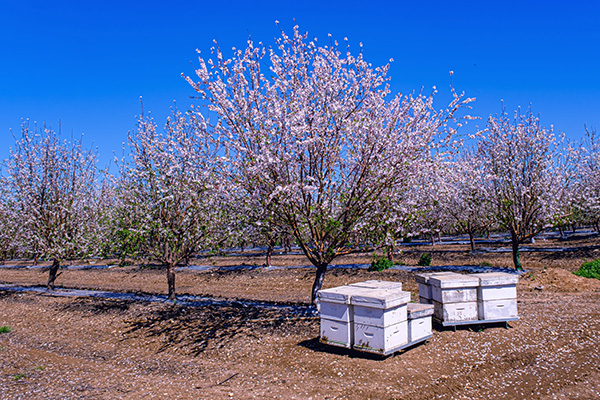
The likely spread of resistant mites should be discussed honestly. Almond pollination and other spring pollination events bring large numbers of hives together, often from multiple districts, then send them home again or on to other crops. Within those pollination landscapes, drifting, robbing and close hive placement can allow mites to move between colonies. After pollination, hive movements can distribute those mites across regions. Given the current evidence, it is realistic to expect resistant mites to move significant distances within one pollination season. Where there are large hive movements, spread should be thought of in months, not years.
That does not mean every apiary will be overrun immediately. It does mean beekeepers should stop thinking of resistant varroa as somebody else’s problem. A small recreational apiary can be affected by a swarm, a drifting bee, nearby neglected colonies or a nuc purchased from an unknown source. The mite does not care whether the hive belongs to a commercial beekeeper or a backyard beekeeper.
The message for July is blunt. The easy phase of varroa management is over before many beekeepers had even learned it. Synthetic strips may still have a place where testing and local advice show they remain effective, but they are no longer a dependable national fallback. Recreational beekeepers need to monitor, record, treat legally and verify results. Industry bodies need to keep pressing for practical, science-based legal options. Regulators need to move faster.
Australia cannot protect honey bees, pollination and recreational beekeeping with a treatment cupboard that is already half empty. Resistant varroa has exposed the weakness. Now we need the courage to fix it.
Remaining Legal Non-Synthetic Treatment Options
|
Product |
Active ingredient |
Brood effectiveness |
Temperature limitations |
Honey-super limitations and practical notes |
|---|---|---|---|---|
|
Formic Pro |
Formic acid |
Can affect mites in capped brood and on adult bees, making it valuable when brood is present. |
Australian permit information states use when daytime highs are 10 to 29.5 degrees Celsius. Hot temperatures above 33 degrees during the first three days may increase bee, brood or queen loss. |
Observe permit and withholding period. Remove or manage honey supers according to current permit conditions. Can be hard on weak colonies. |
|
Apiguard |
Thymol |
Mainly affects mites on adult bees. Does not reliably reach mites under capped brood. |
Temperature-dependent. Performance and colony tolerance vary with conditions. |
Generally best when honey supers are not on. Strong odour can disturb colony behaviour. Follow label or permit exactly. |
|
Api-Bioxal |
Oxalic acid dihydrate |
Best against phoretic mites on adult bees. Poor effect on mites protected in capped brood. |
Less temperature-sensitive than thymol or formic acid, but method, colony condition and permit conditions matter. |
Most useful during broodless or low-brood periods, or after a managed brood break. Use only according to the current APVMA permit. |
|
Aluen CAP |
Oxalic acid dihydrate slow-release strips |
Targets mites on adult bees and mites entering the hive. Field benefit is improved by long exposure through brood cycles, but it is still an oxalic acid product. |
Less temperature-dependent than formic acid but must be used according to the permit. |
Current permit requires 42 days in the hive, once annually only, and not over two consecutive treatment periods. That restriction is a major practical limitation in resistant areas. |
References
- NSW Department of Primary Industries and Regional Development, “DPIRD advises pyrethroid resistant Varroa management”, 16 February 2026.
- Biosecurity Queensland, “Varroa mite showing resistance to chemical treatments”, 2 March 2026.
- AHBIC, “Biosecurity Update, Resistant Varroa Mite”, 2 April 2026, amitraz resistance confirmed in Queensland.
- AHBIC, “Biosecurity Update, Resistant Varroa Mite”, 10 April 2026, amitraz resistance confirmed in New South Wales.
- AHBIC, “Biosecurity Update, Varroa Synthetic Chemical Resistance Management”, 29 April 2026.
- Australian Government Outbreak website, “Varroa mite, Varroa destructor”, current response and miticide resistance information, accessed June 2026.
- National Varroa Mite Management Program, “Varroa chemical control options”, current as 2 February 2026.
- National Varroa Mite Management Program, “Formic Pro”, permit and use conditions.
- National Varroa Mite Management Program, “Aluen CAP”, permit and use conditions.
- APVMA Permit PER94609, Api-Bioxal oxalic acid products for varroa control.
- APVMA Permit PER95790, Aluen CAP slow-release oxalic acid strips for varroa control.