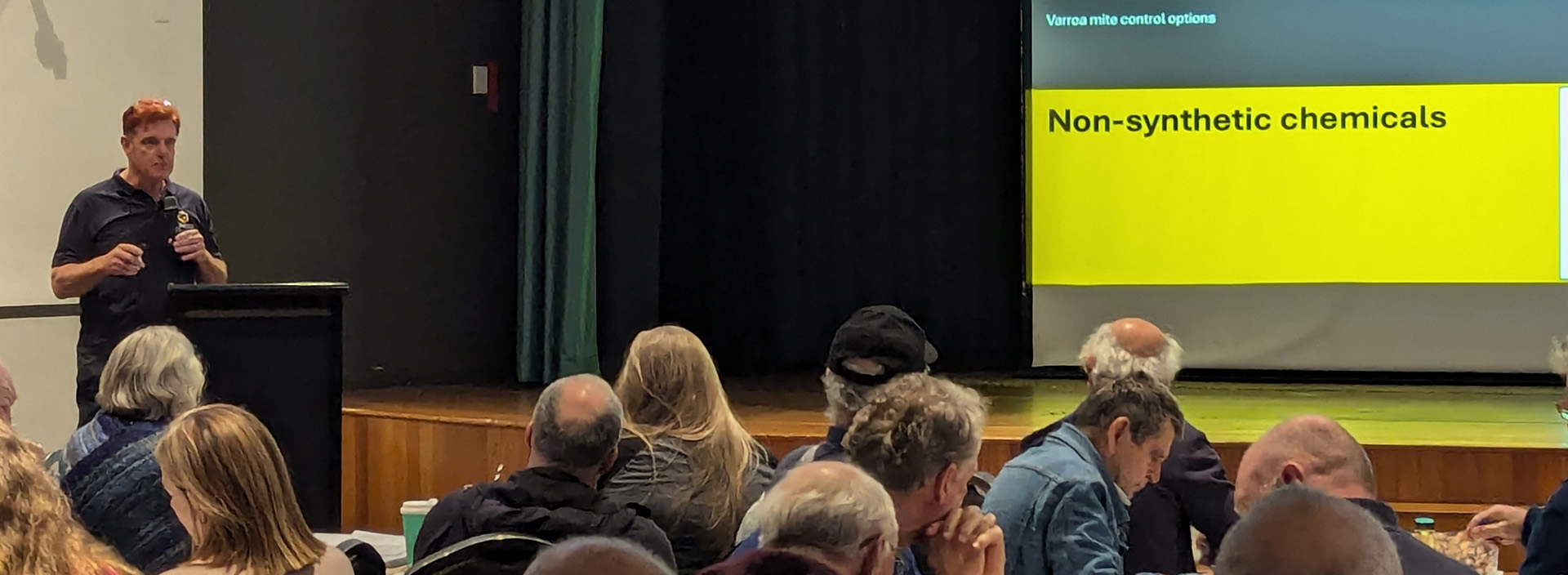
Varroa Workshops – 6,000 beekeepers across the country attended to learn to deal with our latest pest. Image by Mike Allerton
Biosecurity Buzz
Five Years on the ABA Committee:
A Farewell, but Not Goodbye
by Mike Allerton, ABA Biosecurity Officer
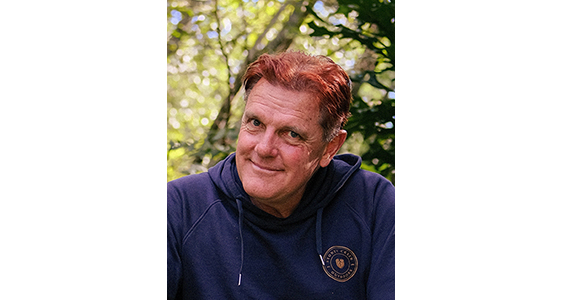
As I write this, my five years serving on the committee of Amateur Beekeepers Australia are drawing to a close. Under our constitution, committee members may serve a maximum of five consecutive terms, and my time is up. It seems only yesterday that I joined the committee, yet looking back, it's extraordinary how much has changed in Australian beekeeping during those five years.
It has been an immensely rewarding experience, and a genuine privilege to represent recreational beekeepers, work alongside some remarkable people and contribute, in whatever way I could, to the future of beekeeping in Australia.
When I joined the committee in 2021, Australia was still free of Varroa destructor. We had our share of biosecurity challenges, of course, but few of us could have imagined the upheaval that lay just around the corner.
Then, in June 2022, Varroa was detected in Newcastle, and everything changed.
Five years of extraordinary change
As Biosecurity Officer, I found myself involved in events that would fundamentally reshape Australian beekeeping. During the eradication response, I worked on eradication crews, experiencing firsthand the enormous logistical challenges, the dedication of those involved and, most painfully, the emotional toll on beekeepers who lost their colonies.
Euthanising healthy-looking colonies in the hope of stopping the spread of a parasite was never easy. I witnessed the heartbreak experienced by beekeepers, many of whom had devoted decades to caring for their bees.
As the outbreak expanded, it became increasingly apparent to me that eradication was unlikely to succeed. When Australia eventually transitioned to management, I initiated NucAid. My thanks to the those who kindly donated nucs and hives to help members in the red zones, repopulate their bee stocks.
I became involved as a Varroa workshop trainer, helping beekeepers understand the biology of the mite, monitoring techniques and treatment options. I continue in training roles with various organisations.
It has been particularly satisfying to see beekeepers develop the confidence and knowledge needed to manage this new challenge. There remains much to learn, and the emergence of resistance to synthetic treatments has made that task considerably more difficult.
Advocacy that must continue
One of the issues I feel most strongly about is the need for practical, effective and affordable Varroa treatments.
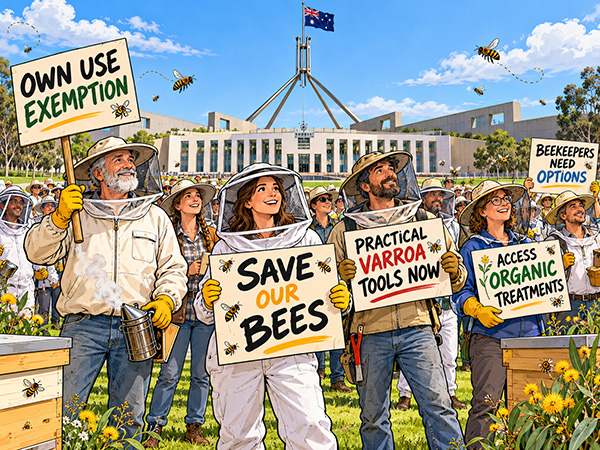
I initiated the campaign for an Own Use Exemption that would allow Australian beekeepers to prepare and apply appropriate non-synthetic treatments, particularly oxalic acid and thymol, without being unnecessarily restricted by a regulatory framework struggling to keep pace with the biology of the parasite.
This campaign has involved discussions with industry representatives, scientists, government departments, regulators and parliamentarians, along with a parliamentary petition and extensive correspondence.
We have made progress in raising awareness, but the job is far from finished. With resistance to registered synthetic treatments already confirmed, the shortcomings in our available treatment options are becoming increasingly urgent.
Although I am stepping down from the ABA committee, I have absolutely no intention of abandoning this campaign. I will continue
pursuing sensible regulatory reform for as long as it takes. Our beekeepers deserve access to the tools necessary to keep their bees healthy, and our agricultural industries depend on it.
The people who made it worthwhile
One of the greatest rewards of committee service has been working alongside people who willingly give their time, skills and experience for the benefit of others.
Over five years, I've had the pleasure of serving with numerous committee members, including Bruce White, Lamorna Osborne, Doug Purdie, Grace Jerrett, Robert Wood, Mike Fogarty, Sheila Stokes, Sue Carney, Kathy Knox, Kevin Tracy, Drew Maywald, Vincent (Vince) Schnyder, Jacqueline Lea, Fiona Fernie, Nikki Potgieter, Clement (Clem) Gribble, Ester Nyers and Jamie Martin.
I'd particularly like to acknowledge Bruce White, who encouraged me to take on the Biosecurity Officer role. I doubt either of us anticipated just how significant that responsibility would become when Varroa arrived in Australia! Bruce's encouragement opened the door to what has been one of the most challenging, educational and rewarding periods of my beekeeping life.
Each committee member has brought different strengths, perspectives and enthusiasm to the organisation. We haven't always agreed on everything, nor should we, but I've always appreciated the commitment that volunteers bring to making ABA stronger.
My sincere thanks go to all my fellow committee members, past and present, and to the many club office bearers and members I've met along the way. It has been a pleasure and a privilege to work with you.
Still involved, just wearing a different hat
My departure also means relinquishing my role representing recreational beekeepers in discussions with government and industry through the Bee Industry Biosecurity Consultative Committee (BIBCC) and the Australian Honey Bee Industry Council (AHBIC).
These forums have provided valuable opportunities to ensure the concerns of recreational beekeepers are heard. I'm grateful to have been part of those discussions and hope the relationships developed will continue to benefit our members.
My final club presentation as ABA Biosecurity Officer was at the Southern Highlands club meeting on 21 October. It seems a fitting way to conclude this chapter, doing something I particularly enjoy: talking with fellow beekeepers and sharing what I've learned.
And readers of The Amateur Beekeeper haven't seen the last of me! I'll continue contributing articles, particularly on bee biology, research, biosecurity, innovative equipment and the lessons we can learn from beekeepers around the world.
What's next? A little less lifting!
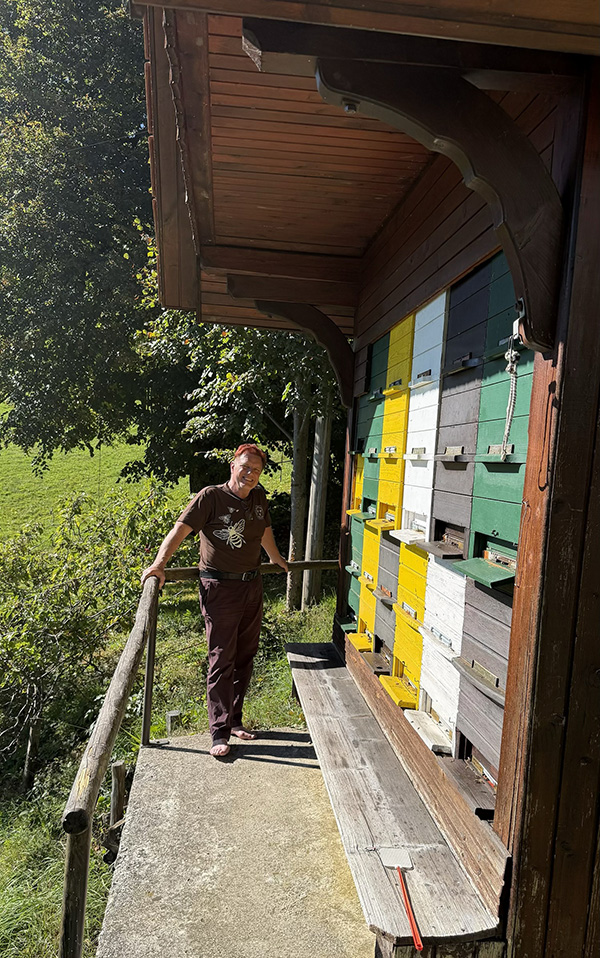
With all the spare time I'm supposedly about to have, I intend to devote more attention to another passion: bringing Slovenian-style, back-friendly beekeeping to Australia.
My Aussie AZ Hive project involves redesigning the traditional Slovenian AŽ hive to suit Australian conditions, equipment and beekeeping practices. The rear-access system eliminates much of the heavy lifting associated with conventional hives and offers real benefits for older beekeepers and those with physical limitations.
Alongside developing the hives and modular beehouses, I hope to share the experience through demonstrations, articles and videos on my Aussie Mike's Bees YouTube channel.
I firmly believe we can make beekeeping more accessible, comfortable and enjoyable without compromising good hive management.
An invitation to get involved
Finally, I would encourage every ABA member to consider volunteering, whether on your local club committee or at the national level.
Organisations such as ours survive and prosper because ordinary people are willing to contribute some of their time. You don't need to be an expert in everything. You simply need enthusiasm, a willingness to learn and a desire to help.
Committee work can be demanding, but it is also tremendously rewarding. You meet wonderful people, develop new skills and have the opportunity to make a genuine difference.
To the incoming committee elected at the AGM, I wish you every success. You have my thanks for taking on the responsibility and my very best wishes for the challenges and opportunities ahead.
To all ABA members, thank you for the friendship, encouragement and support I've received over these five years.
It's been a privilege to serve you. I'll still be around, just with a little more time to spend with my bees.
Happy beekeeping!
Mike Allerton
Vice President and Biosecurity Officer
Amateur Beekeepers Australia