
To investigate varroa management in tropical and sub-tropical areas and avoiding chemical resistance
New Zealand - USA
Land, Commerce and Logistics
Rob Stephens
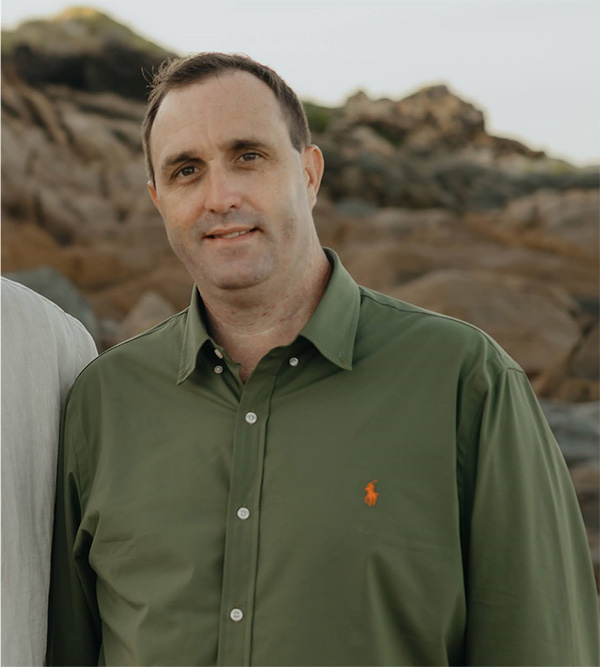
Project: Northern Australia has begun transitioning to management for varroa mite (varroa). This represents a new era for commercial and recreational beekeepers and pollination-reliant industries. The transition to management emphasises the crucial need to boost competency of varroa management within the beekeeping community and industry sectors to bolster resilience. These industries face a critical knowledge gap on how this devastating pest will interact within the northern Australian environment and with other endemic pests. Without support to manage varroa and build capability and maturity, these industries will continue to encounter significant challenges in responding to varroa within this challenging environment.
I’m passionate about protecting Australia’s bees and the beekeeping industry they support. Healthy bee populations are vital to our agriculture, food security and regional communities, and I’m driven by the challenge of protecting an industry that often works quietly in the background but is essential to so much of what we produce and consume.
Fellow: My journey began in 2012, when I joined Biosecurity Queensland as an Apiary Officer in Townsville. Early in my career, I saw firsthand the risks posed by exotic bee pests and diseases arriving from overseas. That experience sparked a passion for bee biosecurity and a commitment to protecting not only beekeepers, but the many pollination-reliant industries and communities that depend on them.
Since then, my work has taken me from the Torres Strait to the New South Wales border. I’ve been involved in the successful eradication of Asian honey bees and Varroa mites from Horn Island, the Port of Brisbane and multiple incidents at the Port of Townsville. I’ve also led surveillance activities within the National Varroa Mite Eradication Program and managed Queensland eradication responses to Asian honey bees and Varroa jacobsoni. Contributing to Australia’s declaration of freedom from this pest remains one of the highlights of my career.
Following the detection of Varroa destructor in Australia in 2022, I led Queensland’s prevention and preparedness efforts before taking on my current role managing Biosecurity Queensland’s Varroa Mite Innovation and Resilience Initiative.
Through a Churchill Fellowship, I want to learn from international leaders in bee biosecurity and explore new approaches to prevention, preparedness and industry resilience. I hope to bring these insights back to Australia, strengthening collaboration between government and industry and helping our beekeeping sector prepare for future challenges.
Protecting our bees isn’t just about protecting beekeepers—it’s about protecting the industries and communities that depend on them. I’ve learned that protecting our industries is a shared responsibility, and lasting success comes from working together.