
Issue: October 2026
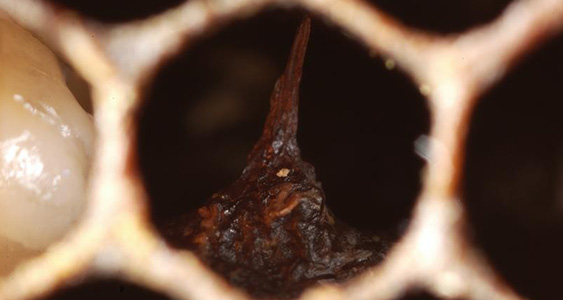
How to Identify American Foul Brood
American Foulbrood is a highly contagious, fatal, bacterial disease affecting honey bee larvae in the brood nest of colonies. It is not a disease of humans or adult bees. Suspect cases must be immediately reported to State Biosecurity Authorities. Only one bacterium is the cause, Paenibacillus larvae with spores remaining viable for over fifty years. If an affected hive is restocked in that time, the disease can reappear. Read More:
Team Australia’s Journey to IMYB 2026
Patrick Napper from Tasmania, Josiah Dick from Queensland and Elan Meyer from Victoria recently travelled halfway around the world to represent Australia at the International Meeting of Young Beekeepers in Northern Ireland. Together they formed the 2026 Australian Youth Beekeeping Team and became part of Australia’s third campaign to the international event.
Read More:

President’s Report
September-October 2026
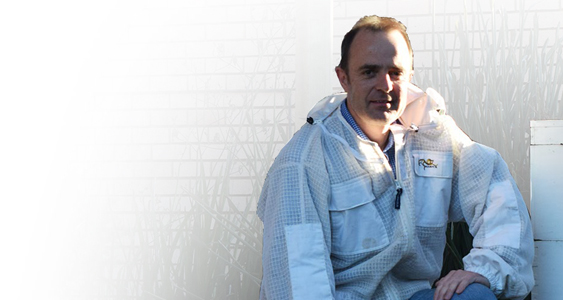
Spring has sprung and the busy time for beekeepers is well underway. The bees are building up and if you don’t pay enough attention, you will see them swarm. In the 2025-26 swarm season 1218 swarms were reported through our current swarm system with 559 or 46% collected. The season was short and sharp. September through November carried 58% of the year, and October alone carried 28%. More than a quarter of the entire year's swarms arrived in that one month. Read More:
The Other Mites In Your Hive
I have developed a complicated relationship with mites. It is equal parts fascination and suspicion. Like many people of a certain age, my earliest impressions of these tiny animals came from school nit inspections. Memories of Nitty Nora the Bug Explorer, the dreaded queue outside the classroom, and the embarrassment of being sent home with a bottle of "special" shampoo left a lasting impression. Small creatures that lived on people or animals were, quite simply, bad news. The lesson was: if something tiny was living on you, it needed to be killed.
Read More:

A bit about the resistant varroa mite
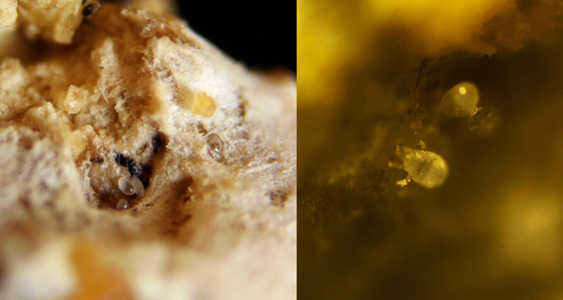
Early this year a small number of commercial beekeepers started advising DPIRD that they were having some increasing problems in managing their varroa mite numbers. NSW DPIRD and QLD DAFF worked together with beekeepers to trace nuc purchases and hive movements to identify other beekeepers that might be experiencing the same issue, they just didn’t know it yet. Before the issue was identified, impacted hives had already moved around NSW and in/out of QLD and SA, spreading what we now know as resistant mites everywhere they went. Read More:
AFB at McLeans Ridges
Why vigilance matters more than ever
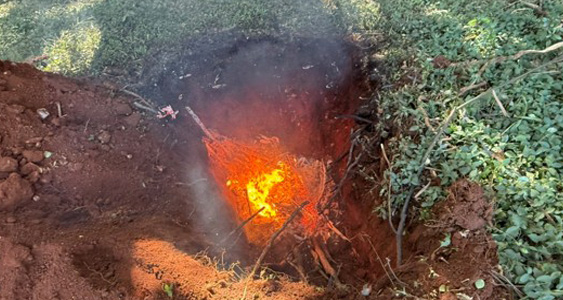
American Foulbrood is something every beekeeper hopes never to encounter. At McLeans Ridges, it has become a very real and difficult part of our beekeeping journey. The affected colony could not be saved. The hive was destroyed and burnt on site to prevent contaminated material from remaining accessible to bees.
Read More:

Two Honey Bee community Churchill Fellowships in one year.
Jessica Locarnini will investigate how leading organisations train, accredit and sustain experts, and use those insights to develop a practical, scalable national framework for Australia. Rob Stephens will investigate varroa management in tropical and sub-tropical areas and avoiding chemical resistance. Read More:
Are We Making Our Bees Work Too Hard?
For millions of years, honey bees did not live in boxes made from 22 mm or 19 mm pine. Their preferred home was a hollow tree. That distinction may seem obvious, but it has important consequences. A tree hollow is not simply a convenient cavity in which bees build comb. It forms part of the colony's thermal environment. Thick timber surrounds the nest, buffering it from cold nights, hot days and rapid temperature changes. Then along came the beekeeper.
Read More:

NSW DPIRD varroa research
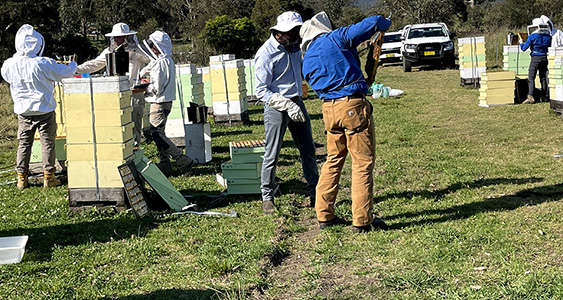
A $9.5 million NSW Varroa Mite Management program commenced in January 2026 and included honey bee compliance officers, a major R&D program and tailored education and resources. The research and development program will focus on developing tools to help queen breeders breed varroa resistant bees, monitoring miticide resistance, assessing the diversity and activity of wild and managed pollinators in key crops, and identifying best practice hive placement in orchards to maximise pollination success. Read More:
Spring management: preparing for the season ahead
As temperatures rise and floral resources increase, spring signals the start of a rapid growth period for honey bee colonies. Queens increase egg-laying, brood production expands, and colonies begin taking advantage of seasonal nectar and pollen flows. For beekeepers, spring is one of the busiest and most important management periods of the year. The decisions made at the beginning of spring can have a significant impact on colony health, honey production, and the spread of pests and diseases throughout an apiary. Read More:
ABA Executive Committee Member Profile
Jamie Martin Education Officer
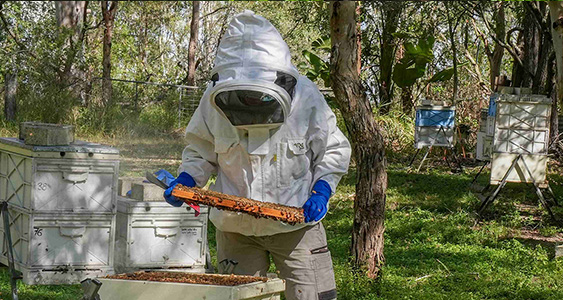
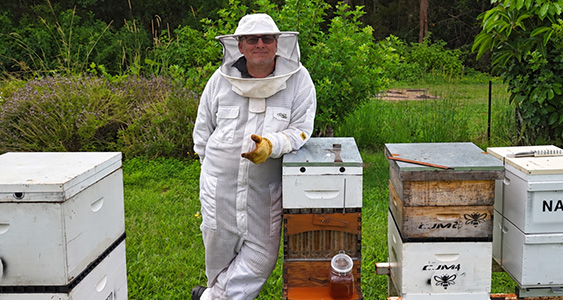
Jamie Martin’s beekeeping journey began in East Ballina with a traditional Langstroth hive at a time when the arrival of varroa in Australia was becoming an increasingly real concern. From the beginning, he understood that beekeeping was changing and that caring for bees would require ongoing learning, careful monitoring and a willingness to adapt. Read More:
Gold Coast Regional Beekeepers Inc
Gold Coast Regional Beekeepers Inc, is appropriately named with members from Tweed Heads in the south to Brisbane in the North, and from Surfers Paradise in the east to beyond Beaudesert in the west, with the majority of our members living on the Gold Coast or in the Scenic Rim Shire. All visitors are always welcome at club meetings and events.
Read More:

Why Do I Need Education When The Bees Know Better Than I Do?
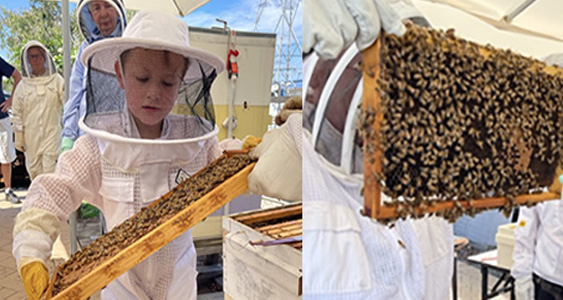
Apis mellifera has been around for millions of years and has survived well without beekeepers interfering. The monasteries were the great practitioners of the art of keeping bees. Honey for sweetening, mead, medicine and wax for candles. Often apothecaries in the abbeys were beekeepers, using herbalist skills and hive products for healing. All the products of the hive, propolis, royal jelly, and bee venom, along with honey and wax, were used efficiently. Read More: