
Issue: April 2026
Investigation into the origins of the Varroa mite incursion in Williamtown area
The full report from the Department of Agriculture Forestry and Fisheries into the origin of Varroa in NSW.
Honey bee industry disappointed by inconclusive Varroa investigation
Read AHBIC's response to the Investigation Report
The Report We Wanted, and the Answer We Did Not Get
Mike Allerton analyses the report to find out what the Williamtown Varroa origin investigation means to ordinary Australian beekeepers.

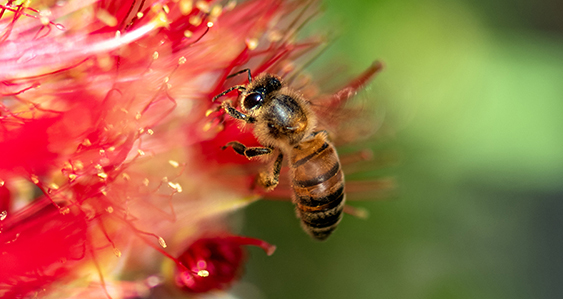
Honey from Australian wildflowers has potent power to kill bacteria.
Honey from across NSW was tested and more than three-quarters of the honey samples stopped bacterial growth even when the honeys were diluted to 10% or less. This places Australian native flora honeys alongside some of the world’s most potent varieties.
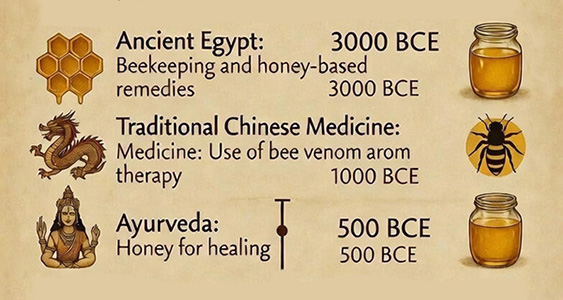
A History of Apitherapy
Apitherapy, the therapeutic use of bee products like honey, propolis, bee venom, royal jelly, and pollen, ranks among humanity's oldest healing traditions. For thousands of years, civilizations worldwide have harnessed the power of the hive to prevent and treat ailments ranging from wounds and infections to arthritis and digestive issues. Evidence of human-bee interactions dates back to prehistoric times.
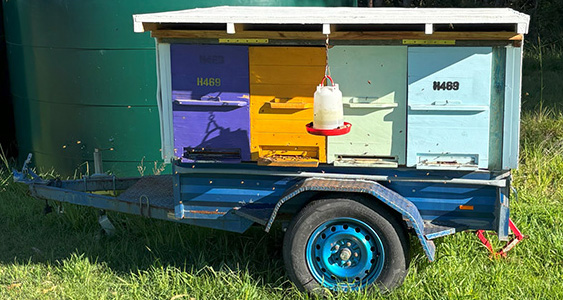
The Pros and Cons of Slovenian Hives
Greetings to all from the wonderful world of Slovenian Beekeeping. I have been keeping bees in ‘true’ Slovenian AŽ hives for just over five years and have found this method of keeping bees very interesting. As there are so few beekeepers, that I know of, keeping bees in this method, I have been asked to write about the pros and cons.
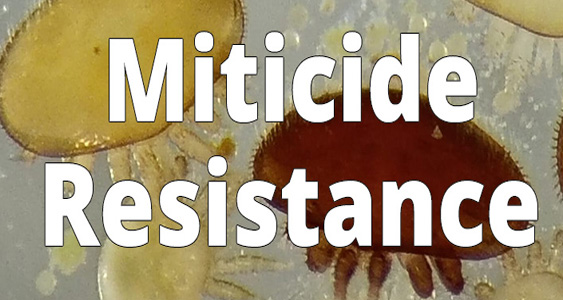
Miticide Resistance detected in Qld and NSW:
Synthetic pyrethroid resistance in varroa mites was first confirmed in New South Wales on 5 February 2026. It is the first time miticide resistance has been found in Australia. As of 9 March, 8 apiaries across southeast Queensland have confirmed synthetic pyrethroid resistance to commonly used products such as, Bayvarol and Apistan. While detections are currently limited to specific locations, this highlights the importance of understanding how resistance develops and how management practices can influence its spread. Read More:
How to Prepare Your Bee Colonies for Winter
As a general rule, preparation for wintering your colonies should take place late March/early April, in most parts of Australia. Inadequate attention could have serious impact on the survival of your colonies to survive winter. By recording how your bees perform, this historic knowledge will help you to make smarter choices.
Read More:
Summer miticide trial with Apivar, VarroxSan, or no treatment
In Australia we have a range of varroa treatment options. To get through the acute phase of varroa, as it’s establishing and levels can be quite high at times. I choose which miticide to use based on what I used before, what my varroa levels are, if I’m making honey, and what the environmental temperature is likely to be during the treatment period.
Read More:

Vale Ron Irving
Ron Irving played a huge role in establishing Parramatta Beekeepers, the 8th branch of now some 40 clubs of the ABA.
Sadly, Ron passed away on Sunday, 1 February 2026.
Parramatta Beekeepers began in 1984. Ron, already a keen beekeeper for four years, took the initiative to start a club for Parramatta and surrounding districts. On 5 June 1984, Parramatta Beekeepers was formed. Read More:
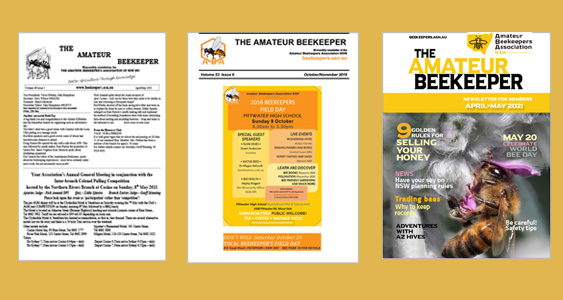
From the Archive: Five, Ten and Fifteen Years Ago.
Making the archive of TAB Back Issues easily accessible is an important part of maintaining the history of our association which is 72 years old this year. It helps us all to maintain perspective on how similar most of today's issues are to the past!
Currently ABA holds pdf copies of most of the issues back to the beginning of 2008. By which year we were up to Volume 40 of TAB, so hopefully someone out there has some of the missing history.

From the Editor
I wonder if you are all as disappointed, as am I, at the lack of resolution or reasons why varroa entered Australia. This pernicious parasite has changed beekeeping in Australia, forever, and for the worse. Not only the financial cost but the time and effort to successfully manage our honey production colonies, but also the viable queen breeding and pollinating activities. We had hoped for reasons why and how varroa is now a notifiable pest.